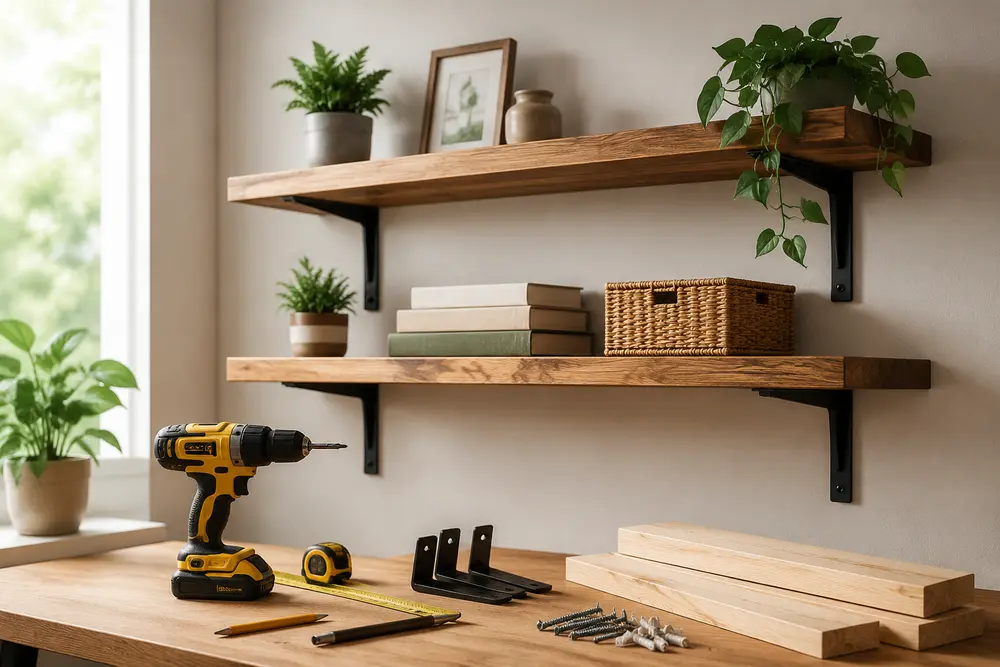
Wall shelves are one of the easiest ways to create more storage space in a home. They help keep rooms organized while making use of empty wall areas. Whether you need a place for books, decorations, kitchen items, or office supplies, learning How to Build Wall Shelves can save money and improve your living space. This DIY project is suitable for beginners and can be completed with basic tools and materials. By understanding the right planning, materials, and installation methods, you can build strong and attractive shelves that last for years.
Why Wall Shelves Are a Smart Solution for Extra Storage
Many homes have unused wall space that can be turned into valuable storage. Wall shelves help reduce clutter without taking up floor space. This makes them perfect for apartments, small bedrooms, home offices, and kitchens.
When people research for How to Build Wall Shelves, they often want a practical storage solution. Shelves can hold books, plants, decorative items, tools, and everyday essentials. They also make a room look more organized and attractive.
Choosing the Right Type of Wall Shelves for Your Space
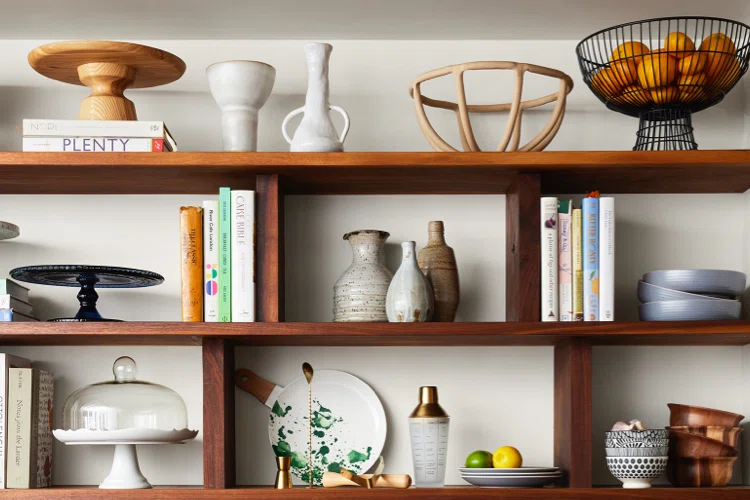
Before starting, it is important to choose the correct shelf style. Different shelf types work better for different needs and room designs.
Floating shelves provide a clean and modern appearance because the supports are hidden. Bracket shelves are easier to install and usually hold heavier items. Corner shelves use unused corners and help maximize storage in smaller rooms. Selecting the right style is an important part of How to Build Wall Shelves successfully.
Tools and Materials Needed to Build Wall Shelves
Having the correct tools makes the project easier and safer. Most shelf projects require simple equipment that many homeowners already own.
You will need a tape measure, power drill, spirit level, stud finder, screwdriver, sandpaper, and a saw. Common materials include wood boards, wall brackets, screws, wall anchors, paint, and wood stain. Gathering everything before you start will make How to Build Wall Shelves much more efficient.
How to Measure and Plan Wall Shelves Before Installation
Planning is one of the most important parts of the project. Poor measurements can lead to uneven shelves or wasted materials.
Measure the width and height of the wall carefully. Decide how deep and long the shelves should be based on what you plan to store. For books, a depth of 10 to 12 inches usually works well. For decorations, 6 to 8 inches may be enough. Proper planning is a key step in How to Build Wall Shelves that look professional.
Use a pencil and level to mark the shelf locations. Check your measurements twice before drilling any holes.
How to Build Wall Shelves Step by Step
The actual building process is simple when broken into smaller tasks. Following a clear method helps prevent mistakes.
First, cut the wood boards to the desired size. Next, sand all surfaces to remove rough edges. Then apply paint or stain if you want a finished appearance. Allow the finish to dry completely before installation.
The next stage of How to Build Wall Shelves is preparing the wall. Mark the bracket positions and locate wall studs using a stud finder. Secure the brackets firmly before attaching the shelf board. Finally, screw the shelf to the brackets and check that everything is level.
How to Install Wall Shelves Securely on Different Wall Types
Different walls require different installation methods. Understanding your wall type is important for safety and durability.
Drywall is the most common wall material. For maximum strength, attach shelves directly to wall studs. If studs are not available, use high-quality wall anchors. Concrete walls require masonry drill bits and special anchors. Brick walls also need masonry hardware designed for heavy loads.
Many guides on How to Build Wall Shelves focus only on the shelf itself, but secure installation is equally important. A well-built shelf can fail if the wall attachment is weak.
How Much Weight Can Wall Shelves Hold?
One of the most common questions about How to Build Wall Shelves is related to weight capacity. The answer depends on several factors.
The shelf material, bracket strength, wall type, and installation quality all affect how much weight a shelf can support. Shelves mounted into multiple studs can often support much heavier loads than shelves attached only with anchors.
For heavy storage, choose strong woods such as oak, maple, or birch. Use sturdy metal brackets and distribute weight evenly across the shelf surface.
Common Mistakes to Avoid When Building Wall Shelves
Many DIY builders make simple mistakes that reduce shelf performance and safety. Avoiding these problems will improve your results.
A common mistake is failing to locate wall studs. Another issue is using brackets that are too small for the shelf size. Some people overload shelves with heavy items, causing sagging over time.
When learning How to Build Wall Shelves, remember that careful planning is just as important as construction. Double-check measurements, use quality hardware, and follow installation instructions carefully.
Best Places to Add Wall Shelves for Extra Storage
Wall shelves can be used in nearly every room of the house. Their versatility makes them one of the most useful DIY projects.
In the living room, shelves display books, photos, and decorations. In the kitchen, they hold dishes, spices, and cooking supplies. In the bathroom, shelves provide storage for towels and toiletries. Bedrooms benefit from shelves for books and personal items, while garages can use heavy-duty shelves for tools and equipment.
Understanding where shelves will be used helps determine the best approach for How to Build Wall Shelves that meet your storage needs.
How to Maintain and Upgrade Wall Shelves Over Time
Even well-built shelves require occasional maintenance. Regular inspections help prevent long-term problems.
Check screws and brackets every few months. Tighten loose hardware and look for signs of sagging. Clean shelves regularly to prevent dust buildup. If the shelf finish becomes worn, sand and repaint or restain the surface.
Many homeowners who learn How to Build Wall Shelves later upgrade their designs by adding lighting, decorative brackets, or additional shelves. Small improvements can increase both storage capacity and visual appeal.
Final Thoughts
Learning How to Build Wall Shelves is a valuable DIY skill that provides long-term benefits. Wall shelves create extra storage, improve organization, and enhance the appearance of a room. With proper planning, quality materials, and secure installation, even beginners can achieve professional-looking results.
Whether you choose floating shelves, bracket shelves, or corner shelves, the key to success is careful preparation. By following the steps outlined above, you can confidently complete your project and enjoy stronger, safer, and more attractive storage solutions. Once you master How to Build Wall Shelves, you can apply the same principles to many other home improvement projects.
Frequently Asked Questions
What is the easiest type of wall shelf to build?
Bracket shelves are usually the easiest because they require fewer special tools and provide strong support.
Can wall shelves be installed without wall studs?
Yes, but strong wall anchors should be used when studs are unavailable.
What wood is best for wall shelves?
Oak, maple, and birch are excellent choices because they are strong and durable.
How deep should wall shelves be?
Most shelves are between 6 and 12 inches deep, depending on their purpose.
How can I prevent wall shelves from sagging?
Use quality materials, strong brackets, proper support spacing, and avoid overloading the shelves.