
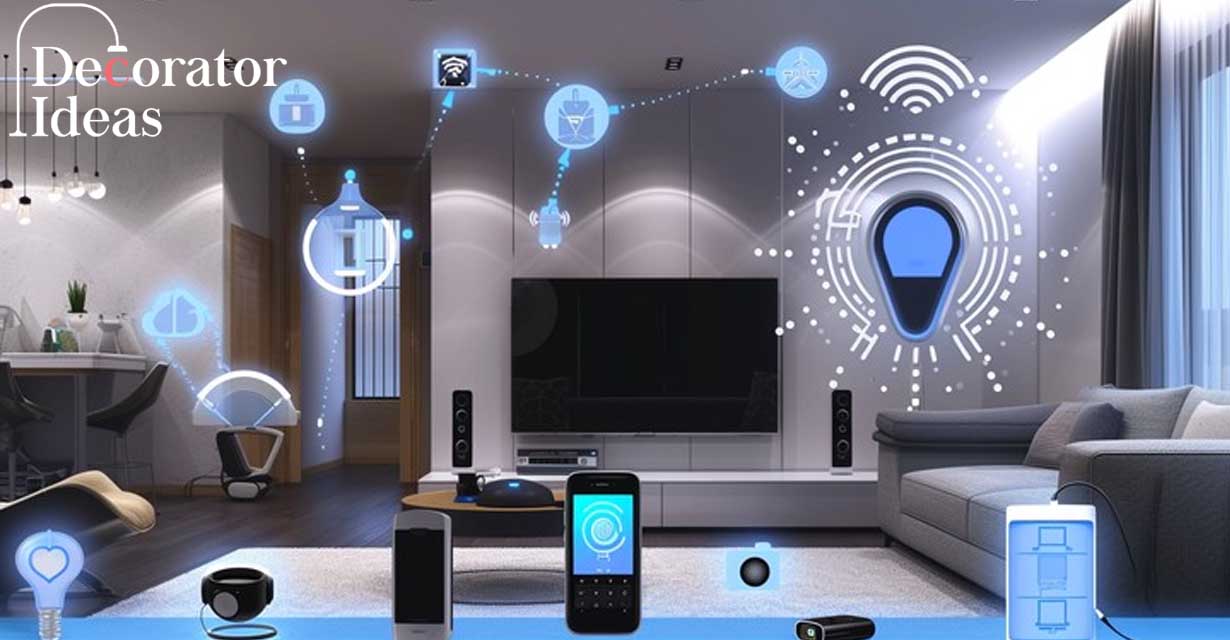
Smart homes are changing the way we live, and interior design is no longer just about furniture, colors, or decoration. Today, homes are becoming intelligent spaces where technology and design work together. This new approach is known as Smart Home Interior Design, and it focuses on creating living spaces that are not only beautiful but also connected, automated, and highly functional. It brings comfort, safety, and energy efficiency into everyday life by using smart devices and systems that respond to human needs.
What Smart Home Interior Design Really Means in Modern Homes
Smart Home Interior Design means designing a home where technology is fully integrated into the interior space. It is not just about adding gadgets but making them part of the home structure. Lights, climate control, security, and entertainment systems are connected and controlled through apps, sensors, or voice commands.
In modern homes, this design style creates a smooth lifestyle. For example, lights can turn on automatically when someone enters a room. Temperature adjusts based on time or weather. Curtains can open or close without touching them. All these features work together to improve comfort and convenience in daily life.
How Smart Home Interior Design Combines Technology With Interior Aesthetics
A key part of What Is Smart Home Interior Design is blending technology with beauty. Devices are hidden inside walls, ceilings, and furniture so the home still looks clean and modern. Designers focus on keeping the space minimal while adding powerful smart systems behind the scenes.
For example, hidden speakers, wireless charging tables, and concealed lighting strips are used instead of bulky devices. This creates a stylish interior without losing functionality. The goal is to make technology invisible but useful at every moment.
Key Smart Technologies Used in Smart Home Interior Design Today
Modern homes use many advanced systems in Smart Home Interior Design. These include Internet of Things (IoT) devices, artificial intelligence (AI), motion sensors, and voice assistants like smart speakers.
Devices such as smart thermostats, smart locks, CCTV cameras, and motion-sensor lights work together through a central system. They collect data and learn user habits over time. This helps the home respond automatically, making daily tasks easier and faster.
How Smart Lighting and Automation Change Everyday Living Spaces
Lighting plays a big role in What Is Smart Home Interior Design. Smart lighting systems adjust brightness, color, and timing based on user activity. Lights can turn off automatically when a room is empty or brighten when someone wakes up.
Automation also creates “scenes” for different moments. For example, a movie mode dims lights and closes curtains, while a morning mode slowly increases light and starts coffee machines. These features improve comfort and reduce energy use at the same time.
Role of Smart Security Systems in Modern Interior Design
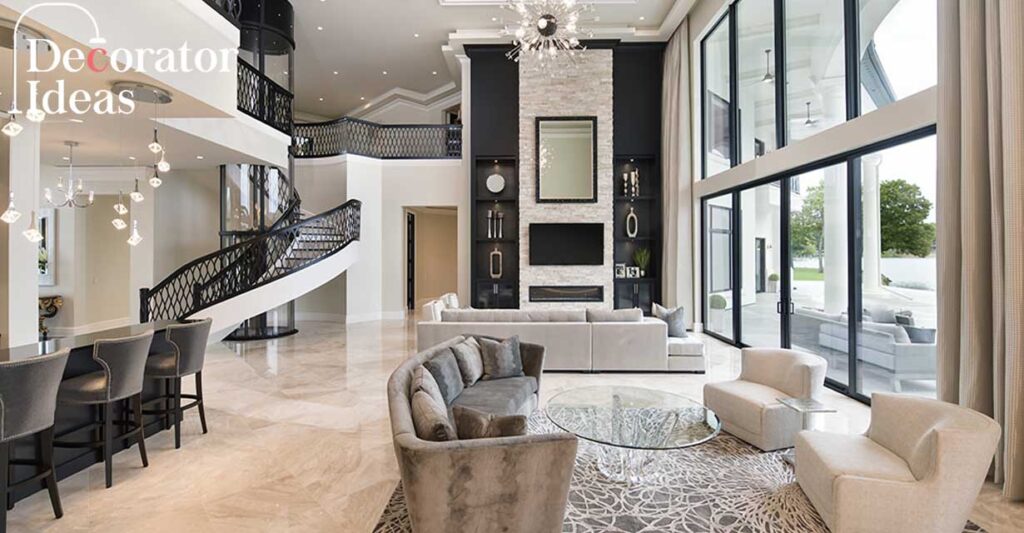
Security is a major part of What Is Smart Home Interior Design. Modern homes use smart locks, video doorbells, motion detectors, and alarm systems that can be controlled from a phone anywhere in the world.
These systems send real-time alerts when unusual activity is detected. Cameras can show live video, and smart locks allow remote access for family members. This improves safety and gives homeowners peace of mind, especially when they are away from home.
How Smart Kitchens and Smart Appliances Improve Daily Home Life
The kitchen is becoming one of the most advanced spaces in smart home interior design. Smart refrigerators can track food items and suggest recipes. Smart ovens can be controlled from mobile apps. Even coffee machines can start brewing at a set time.
These technologies reduce daily effort and save time. They also help reduce food waste and improve cooking accuracy. A smart kitchen turns everyday cooking into a faster, easier, and more enjoyable experience.
Energy Efficiency and Sustainability Benefits of Smart Home Interior Design
One of the biggest benefits of What Is Smart Home Interior Design is energy saving. Smart systems monitor electricity, water, and heating usage. They automatically adjust settings to reduce waste.
For example, smart thermostats lower cooling when no one is home. Smart lights turn off in empty rooms. These features help reduce bills and support eco-friendly living. Over time, smart homes contribute to a more sustainable environment.
Room-by-Room Smart Home Interior Design Ideas for Modern Homes
Every room benefits from smart home interior design in different ways. In the living room, smart TVs, voice assistants, and automated curtains improve entertainment. In bedrooms, sleep tracking and smart lighting improve rest quality.
Bathrooms can include smart mirrors and water-saving systems. Home offices benefit from smart lighting and noise control systems. Each space is designed to match user lifestyle and daily routines, making the home more personal and efficient.
Common Challenges in Smart Home Interior Design and How to Solve Them
While What Is Smart Home Interior Design offers many benefits, it also has challenges. One issue is high initial cost. Smart devices and installation can be expensive at first.
Another challenge is compatibility between different brands. However, new standards like Matter technology are improving this. Privacy and cybersecurity are also concerns, so strong passwords and regular updates are important for safety.
Must Read: decoratorideas.com
Future Trends Shaping Smart Home Interior Design and Connected Living
The future of What Is Smart Home Interior Design is moving toward fully intelligent homes. AI will predict user needs before commands are given. Homes will adjust lighting, temperature, and security automatically based on behavior patterns.
We will also see more sustainable smart homes, powered by solar energy and advanced sensors. Devices will become smaller and more hidden, creating cleaner interior designs. Homes will become more connected, efficient, and personalized than ever before.
FAQs
What is smart home interior design in simple words?
It is a way of designing homes where smart technology is built into interiors to improve comfort, safety, and convenience.
Do smart homes need internet all the time?
Most features need internet, but some systems can still work offline depending on setup.
Is smart home interior design expensive?
It can be costly at first, but basic smart devices are affordable and save money long-term.
Can old homes become smart homes?
Yes, existing homes can be upgraded with smart devices without full renovation.
Is smart home interior design safe?
Yes, if devices are secured with updates, strong passwords, and safe networks.