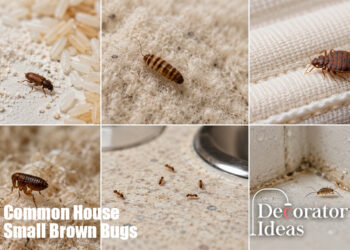
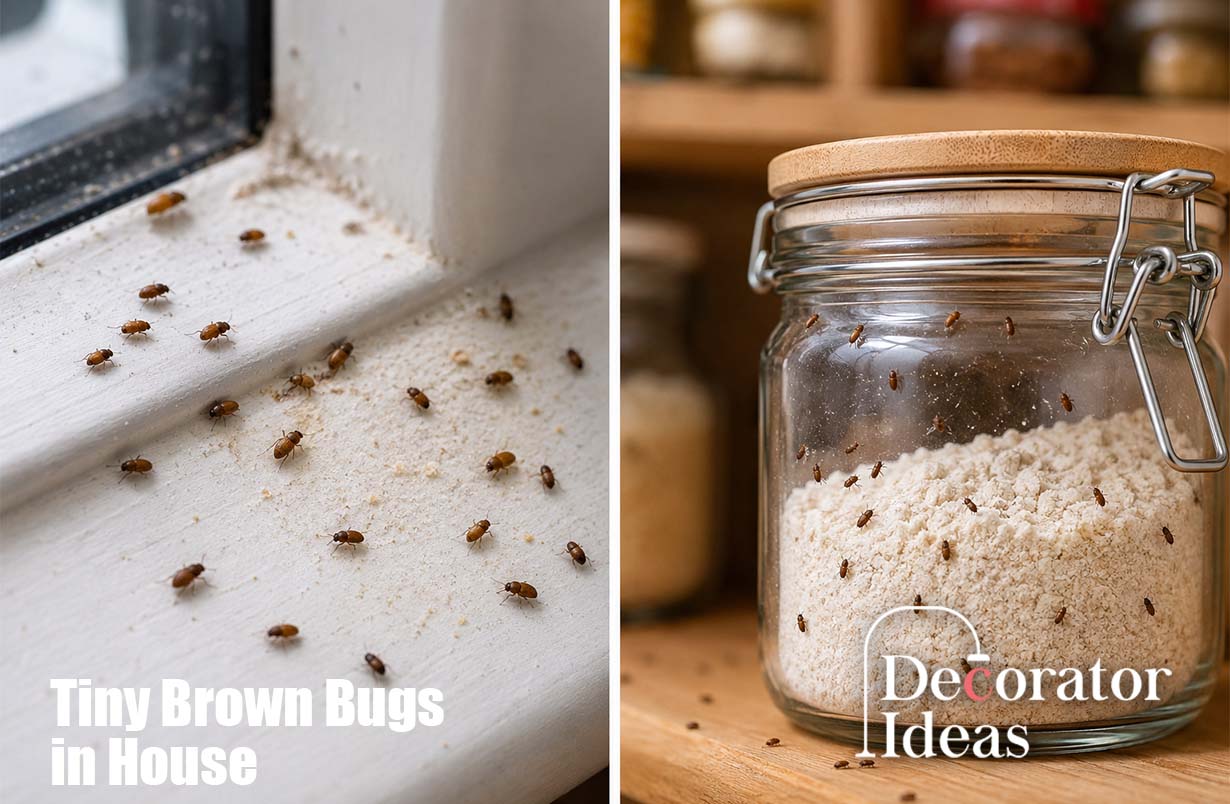
Finding tiny brown insects crawling on your floor, kitchen counter, or carpet can be surprising. In most cases, they are not dangerous, but they can damage food, clothing, or fabrics if left alone. Tiny Brown Bugs in house is a common term that covers several different insects, not just one species. Learning how to identify them, remove them, and stop them from returning can help you keep your home clean and pest-free.
What Are Tiny Brown Bugs in House?
The phrase Tiny Brown Bugs in House describes several small insects that may appear indoors. The most common ones include carpet beetles, drugstore beetles, cigarette beetles, rice weevils, sawtoothed grain beetles, booklice, and young cockroaches. Each bug has different habits, so proper identification is the first step toward solving the problem.
Some bugs feed on stored food, while others eat natural fibers like wool, silk, leather, and pet hair. A few insects prefer damp places because they survive on mold and mildew. Knowing where the bugs are found often helps you identify them correctly.
How to Identify the Most Common Tiny Brown Bugs
Most household bugs are only 1–5 mm long, making them difficult to notice until their numbers grow. Some have oval bodies, while others are long or have a small snout. Looking closely at their shape, color, and location can help you tell one type from another.
For example, carpet beetles are usually found near rugs, closets, and upholstered furniture. Rice weevils often appear inside rice or grain products. Drugstore beetles and cigarette beetles are common in pantries, while booklice are often found in damp bathrooms, basements, or around old books.
Why Tiny Brown Bugs Keep Appearing Indoors
Many insects enter homes because they can easily find food, warmth, moisture, and shelter. Small cracks around windows and doors also allow them to enter. Some pests arrive inside grocery packages, cardboard boxes, or second-hand furniture without being noticed.
Tiny Brown Bugs in House often become a repeated problem when food crumbs remain on the floor, dry foods are stored in open containers, or moisture levels stay high. Leaking pipes and poor ventilation can also create perfect conditions for certain insects.
Where Tiny Brown Bugs Usually Hide in Your Home
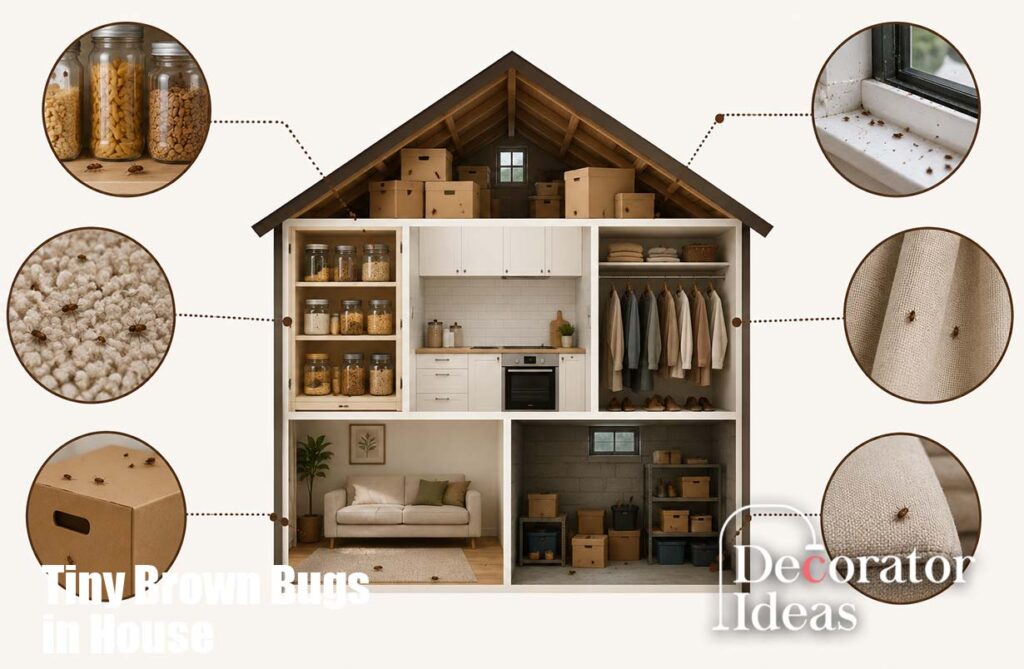
These insects prefer quiet places where they are less likely to be disturbed. Kitchens are common hiding areas because they provide easy access to dry foods such as flour, cereal, pasta, rice, spices, and pet food. Cabinets and pantry shelves should be checked carefully.
Other common hiding places include carpets, closets, storage boxes, curtains, furniture, basements, attics, and window sills. Carpet beetle larvae often stay hidden deep inside fabrics, while pantry beetles remain close to food containers.
Are Tiny Brown Bugs Harmful to People, Pets, or Property?
Most tiny brown household bugs do not bite people or spread serious diseases. However, they can still become a costly problem if ignored. Pantry pests can contaminate stored food, making it unsafe to eat, while carpet beetles may damage clothing, blankets, rugs, and furniture.
Some people may develop mild skin irritation after touching the tiny hairs left behind by carpet beetle larvae. Pets are usually not harmed, but keeping insects away from pet food is important to avoid contamination.
How to Get Rid of Tiny Brown Bugs in House
The best way to remove these insects is to find the source of the infestation. Start by checking pantries, closets, carpets, and storage areas. Throw away any food that shows signs of insects, eggs, or small holes in the packaging. Vacuum floors, furniture, and corners to remove bugs, larvae, and hidden eggs.
Wash washable fabrics in warm water if the care label allows it. Store all dry foods in airtight glass or plastic containers. Clean shelves with warm soapy water, fix water leaks, and lower indoor humidity if damp-loving insects are present. Tiny Brown Bugs in House are much easier to control when their food and hiding places are removed.
Prevention Tips for Keeping Tiny Brown Bugs Out
Prevention is easier than dealing with a large infestation. Vacuum your home every week, especially under furniture and along baseboards. Clean food spills immediately and avoid leaving pet food uncovered overnight. Always inspect groceries before placing them in the pantry.
Seal cracks around doors, windows, and utility pipes to reduce entry points. Keep indoor humidity below 50% when possible by improving ventilation or using a dehumidifier. Store seasonal clothing in sealed containers and reduce clutter, especially cardboard boxes that insects may use for shelter. These simple habits greatly reduce the chance of seeing Tiny Brown Bugs in House again.
When You Should Call a Pest Control Professional
Sometimes cleaning alone is not enough. If bugs continue to appear after several weeks, spread to different rooms, or keep damaging food and fabrics, it may be time to contact a licensed pest control professional. Experts can correctly identify the insect and recommend the safest treatment.
Professional inspections are also helpful when you cannot find the source of the infestation. They can locate hidden nests, moisture problems, or structural entry points that are easy to miss. Quick action prevents small infestations from becoming larger and more expensive to remove.
FAQs
What are the most common tiny brown bugs found indoors?
They are usually carpet beetles, pantry beetles, rice weevils, booklice, or young cockroaches.
Can tiny brown bugs damage my home?
Yes. Some species can damage food, carpets, clothing, and natural fabrics.
Why do tiny brown bugs appear in kitchens?
They are attracted to stored food, crumbs, and open food containers.
How can I stop tiny brown bugs from coming back?
Keep your home clean, store food in airtight containers, reduce moisture, and seal cracks.
Should I call a pest control company?
Yes, if the infestation keeps returning or spreads throughout your home.