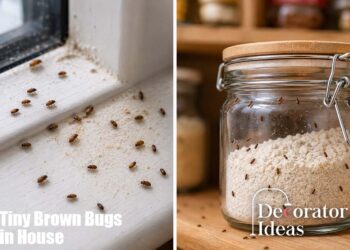
Finding Common House Small Brown Bugs can be confusing because many pests look alike. Some live in food, some hide in fabric, and others stay near water or wood. The best first step is to study the insect’s size, shape, movement, and hiding place. This guide explains common types, safe removal methods, and practical ways to stop them from returning.
How to Identify Common House Small Brown Bugs
Correct identification helps you choose the right treatment. Look at the bug under a bright light and compare its size with a ruler. Check whether it has a hard shell, flat body, narrow waist, long legs, wings, or visible hairs. Notice how it moves. Fleas jump, bed bugs crawl, and ants often follow a trail. Its location can also provide an important clue.
Take a clear photo beside a ruler to show its size. Keep the bug in a sealed, clear container when you need expert help. A pest-control expert or insect identification service can confirm the species before treatment.
Most Common Types Found Indoors
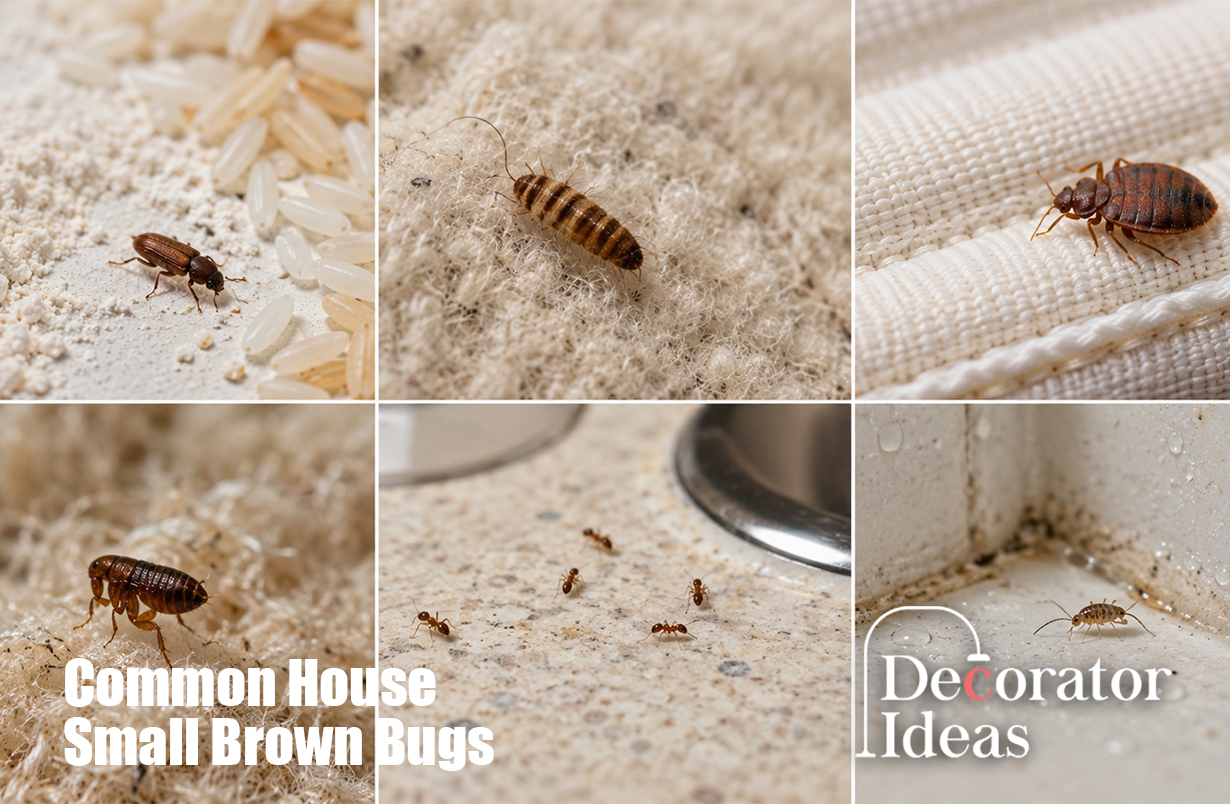
Several pests may match the description of Common House Small Brown Bugs. Pantry beetles are tiny, oval insects found in flour, cereal, rice, spices, and pet food. Carpet beetle larvae are small, brown, and hairy. They may damage wool, silk, feathers, natural carpets, and stored clothing.
Bed bugs are flat, oval, and reddish-brown. Cockroach nymphs are small and flat. Booklice and springtails prefer damp areas, while weevils often live in grain. Fleas are tiny, dark brown insects that can jump.
Where Small Brown Bugs Usually Hide
Bugs inside flour, pasta, rice, cereal, or spices are probably pantry pests. Bugs around a mattress, headboard, or sofa seam may be bed bugs. Hairy larvae under furniture, near carpet edges, or inside wardrobes can be carpet beetles. Jumping insects near pet bedding may be fleas.
Moist bathrooms, leaking sinks, basements, and wet plant soil may attract booklice or springtails. Cockroach nymphs often hide behind refrigerators, ovens, cupboards, and pipes. Small holes and fresh powder in wood may point to wood-boring beetles. Check dark and quiet places first because many pests hide during the day.
Why These Bugs Enter Houses
Common House Small Brown Bugs enter homes for water, shelter, and warmth. Open food packages, crumbs, grease, pet food, and rubbish can support pantry pests, ants, and cockroaches. Leaking pipes, wet walls, and standing water create suitable conditions for moisture-loving insects.
Some bugs arrive in dry food, luggage, furniture, plants, or delivery boxes. Others enter through gaps around doors, windows, pipes, and vents. Heavy rain, heat, or cold may also push insects indoors. Even a clean home can develop a pest problem when insects arrive inside an infested product.
Signs of an Indoor Infestation
One bug does not always mean that your home has an infestation. However, repeated sightings are a warning. Look for shed skins, eggs, droppings, damaged food, fabric holes, fine wood dust, dark marks, or a musty smell. Pantry pests may leave webbing or fine dust inside food packages.
Carpet beetles may leave hairy skins near damaged fabric. Bed bugs may leave dark spots or rusty marks. Cockroaches leave droppings and egg cases. Fleas may make pets scratch and leave black dirt in their fur or bedding. Sticky traps can show which rooms have the most pest activity.
How to Remove Small Brown Bugs Safely
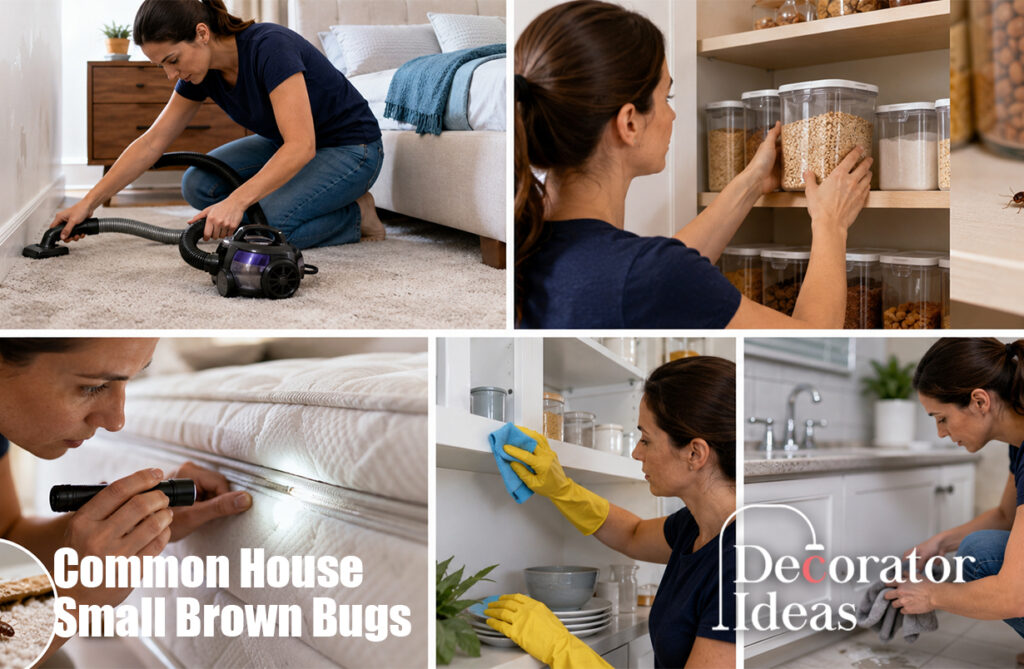
Start by removing the source. Throw away infested food in a sealed bag, wash affected clothing, and vacuum carpets, shelves, cracks, and furniture edges. Dispose of vacuum contents outdoors. Repair leaks, dry wet areas, and remove mouldy cardboard or paper. Store clean food and fabrics in strong, airtight containers.
Cleaning is often more useful than random spraying. Use heat for washable bedding when the care label allows it. Wash pet bedding and speak with a veterinarian before treating fleas on animals. Never use an outdoor pesticide inside your home or apply a household pesticide to your skin.
Best Treatment for Each Bug Type
Treatment for Common House Small Brown Bugs must match the exact pest. For pantry beetles, remove infested food, vacuum cupboards, and use sealed containers. For carpet beetles, clean carpet edges, wardrobes, vents, and places where hair or dead insects collect.
Bed bugs often require vacuuming, heat, mattress covers, monitoring traps, and professional treatment. For cockroaches and ants, bait is often better than wide-area spray. For booklice and springtails, reduce moisture. For fleas, treat pets and the home together. Ask an expert to inspect active wood damage.
Natural and Non-Chemical Control Methods
Vacuuming safely removes insects, eggs, food dust, and hair. Steam can help on suitable surfaces, but excess moisture may damage furniture. Freezing may work for small items when they remain cold long enough. Airtight storage also prevents pantry pests from reaching clean food.
Vinegar, baking soda, and essential oils are not complete treatments for serious infestations. They may repel a few insects but often miss hidden eggs, larvae, or nests. A better plan removes food sources, lowers moisture, cleans hiding places, and blocks entry points.
How to Prevent Small Brown Bugs From Returning
Prevent Common House Small Brown Bugs by keeping your home clean, dry, and well sealed. Store flour, cereal, rice, spices, birdseed, and pet food in airtight containers. Clean crumbs and spills quickly. Avoid keeping old dry food for long periods. Inspect used furniture, rugs, mattresses, and clothes before bringing them indoors.
Repair leaks and use fans in damp rooms. Seal cracks around doors, windows, walls, pipes, and cables. Install door sweeps and repair damaged screens. Vacuum under appliances and furniture, reduce cardboard storage, and wash pet bedding regularly. Check cupboards, wardrobes, and quiet corners every month.
When to Call a Pest-Control Professional
Call a professional when you confirm bed bugs, see cockroaches in several rooms, find active wood damage, or cannot locate the source. Expert help is also useful when pests return after cleaning or when treatment may affect children, pets, older adults, or people with breathing problems.
Ask the company to identify the pest before treatment. A reliable technician should explain the species, hiding places, safety steps, treatment method, and follow-up plan. Correct identification saves time, reduces unnecessary pesticide use, and prevents a small problem from becoming more difficult.
FAQs
What are the most common small brown bugs in a house?
They include pantry beetles, carpet beetles, bed bugs, fleas, ants, young cockroaches, booklice, springtails, and weevils.
Why do tiny brown bugs appear in the kitchen?
They may come from dry food, crumbs, grease, pet food, damp cupboards, or gaps around windows and pipes.
Do all small brown bugs bite?
No. Bed bugs and fleas bite, but pantry beetles, carpet beetles, booklice, springtails, and most weevils normally do not.
Can I remove small brown bugs without pesticides?
Yes. Vacuuming, heat, airtight storage, moisture control, cleaning, and sealing entry points can solve many pest problems.
When should I contact pest control?
Contact a professional for bed bugs, repeated cockroach activity, wood damage, a large infestation, or a problem that continues after treatment.