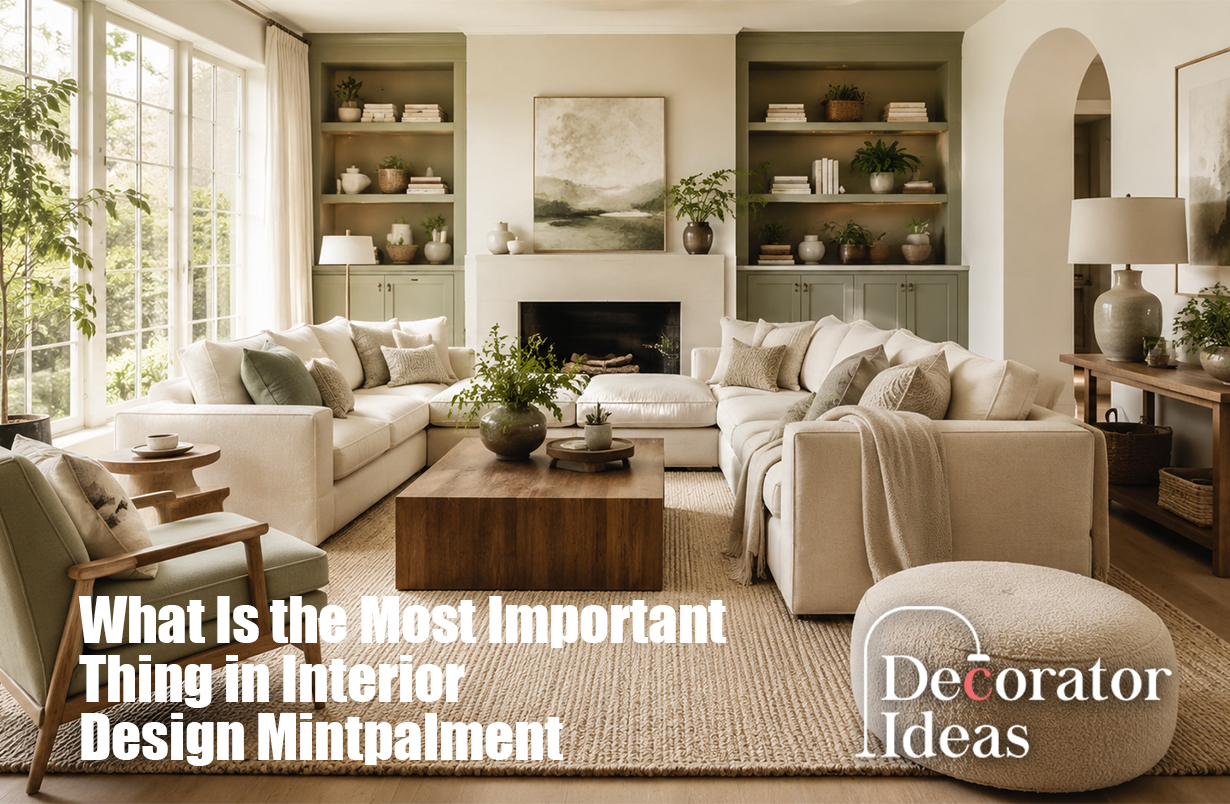
Many people ask, “What Is the Most Important Thing in Interior Design Mintpalment?” The simple answer is function. A room should first work well for the people who use it. It should support daily activities, feel comfortable, allow easy movement, and remain safe. Colours, furniture, lighting, and decoration are also important, but they cannot fix a room that is difficult to use. A successful design joins function, comfort, safety, and beauty in one clear plan.
What Does Interior Design Mintpalment Mean?
Mintpalment is connected with online content about home decoration, room planning, colours, furniture, and modern living. It is not a formal interior design method or an official design principle. However, people often use the term for simple advice about creating attractive and practical interiors.
The idea behind Mintpalment-style design is easy to understand. A home should look beautiful, but it should also match the owner’s lifestyle. Every room should have a clear purpose, useful furniture, suitable lighting, and a comfortable feeling.
Why Function Is the Most Important Design Element
When asked, ” What is the most important thing in interior design?” they usually want to know which design element should come first. The answer is functionality. Function means that a room can perform its main purpose without causing difficulty.
For example, a living room should provide comfortable seating and clear walking paths. A bedroom should support rest, privacy, and storage. A kitchen should make cooking, cleaning, and food preparation easier. If these basic needs are not met, beautiful decoration will not make the room successful.
How to Understand the People Using the Room
Good interior design begins with the people, not with furniture catalogues or social media trends. A designer should understand who uses the room, what they do there, and what problems they face. The needs of a young family can be very different from the needs of an older person or a remote worker.
A family with children may need strong materials, safe furniture, and easy storage. An older adult may need brighter lighting, non-slip flooring, and wider walking areas. A person working from home may need a quiet desk, a supportive chair, and good task lighting. The user’s real needs should guide every choice.
How Space Planning Makes a Room Easier to Use
Space planning means deciding where furniture, storage, lights, and other objects should be placed. It helps people use a room without feeling crowded. Good planning also prevents furniture from blocking doors, windows, or important walking paths.
Before buying anything, measure the room carefully. Note the position of doors, windows, sockets, radiators, and fixed cabinets. Place the largest furniture first, then add smaller items. Leave enough open space around beds, tables, and sofas so people can move comfortably.
Why Comfort and Safety Must Come Before Decoration
A room may look modern but still feel uncomfortable. A stylish chair can cause back pain. A beautiful floor may become dangerous when wet. A dark staircase can increase the risk of falling. These examples show why comfort and safety must be included from the beginning.
Choose furniture that supports the body and suits the user’s height. Use stable shelves, safe electrical fittings, non-slip surfaces, and clear exits. Homes with children or older people may need extra safety features. A good room should protect its users while making daily life easier.
How Balance, Scale, and Proportion Improve a Room
Balance is the way visual weight is shared across a room. Large, dark, or solid objects often look heavier than small, light, or open objects. If all heavy furniture is placed on one side, the room may feel uncomfortable or unfinished.
Scale describes how the size of an object relates to the room. Proportion describes how objects relate to each other. A large sofa may overpower a small room, while a tiny rug may make the space feel disconnected. Measure every important item and check how it will fit before making a purchase.
How Lighting Changes Function and Mood
Lighting affects how a room looks, feels, and works. A successful lighting plan normally includes natural light, general lighting, task lighting, and accent lighting. Each type has a different purpose.
General lighting brightens the whole room. Task lighting supports activities such as reading, cooking, or working. Accent lighting highlights artwork or special features. Natural daylight can make a room feel open and fresh. Using several light sources gives people more control and creates a warmer atmosphere.
How to Choose Colours and Materials
Colour can change the mood of a room, but it should support the room’s purpose. Soft colours may help a bedroom feel calm, while brighter tones may give energy to a kitchen or playroom. However, the same colour can look different in morning light, evening light, and artificial light.
Test paint samples on the real walls before making a final decision. Choose materials based on beauty, durability, cleaning needs, and safety. A busy family room may need strong, washable fabric. A bathroom needs materials that can handle water. Practical materials usually provide better long-term value.
Why Storage and Clear Movement Matter
Storage helps a room stay calm, organised, and easy to clean. Without suitable storage, useful objects can quickly create clutter. Plan storage around the items people really own and use. Daily items should be easy to reach, while rarely used items can be stored higher or farther away.
Clear movement is just as important. People should not need to turn sharply, step over objects, or squeeze between furniture. When asking “What Is the Most Important Thing in Interior Design Mintpalment,” remember that easy movement is a major part of function.
Common Mistakes That Make Interior Design Fail
One common mistake is buying furniture before measuring the room. Another is choosing appearance before comfort. People may also use too many colours, block natural light, forget storage, or fill every empty space with decoration.
Following every trend can also create problems. Trends change quickly, but daily needs remain important. A better approach is to choose a simple base and add personal details through artwork, cushions, plants, books, and meaningful objects. A home should represent the people living in it.
How to Create a Practical and Beautiful Interior
Start by writing down the room’s purpose and the needs of its users. Measure the space, prepare a realistic budget, and plan the layout. After solving movement, storage, lighting, safety, and comfort, choose colours, materials, furniture, and decoration.
The final answer to “What Is the Most Important Thing in Interior Design Mintpalment?” is creating a space that works for the people who use it. Beauty matters, but function gives the design its foundation. The best room is safe, useful, comfortable, balanced, personal, and easy to maintain.
FAQs
What is the most important part of interior design?
The most important part is function. A room must support the activities and needs of its users.
Is Mintpalment an official interior design style?
No. Mintpalment is connected with online home and design content, not an official design movement.
Should I choose furniture or colours first?
Plan the room layout and choose the main furniture first. Select colours after understanding the space and lighting.
How can I make a small room feel larger?
Use suitable furniture, clear walking paths, good lighting, simple colours, and enough empty space.
Can a room be beautiful but badly designed?
Yes. A room can look attractive but fail if it is unsafe, uncomfortable, crowded, or difficult to use.