
A squeaky bed can turn a peaceful night into a frustrating experience. What starts as a small creak may slowly become a constant noise every time you move. While many people ignore the problem at first, bed noises often point to loose How to Stop Squeaky Bed parts, worn supports, or aging materials. The good news is that most squeaks can be fixed without replacing the entire bed. By finding the cause early, you can prevent bigger problems and enjoy a quieter, more comfortable place to sleep.
Why Your Bed Is Squeaking and Why You Should Fix It Early
Beds are made of many connected parts that work together to support weight and movement. Over time, these parts can shift, loosen, or wear down. When two surfaces rub against each other, they create the familiar squeaking or creaking sound.
Ignoring these noises can lead to more than just poor sleep. Loose connections may continue to weaken, and damaged supports can place extra stress on the frame and mattress. Fixing the issue early often takes less time and How to Stop Squeaky Bed money than dealing with a major repair later.
How to Find the Exact Source of a Squeaky Bed
The first step is identifying where the sound comes from. A bed frame, mattress, box spring, or even the floor beneath the bed can create noise. Finding the exact source makes the repair process much easier.
Remove the mattress and gently press on different parts of the frame. Listen carefully for sounds around corners, joints, slats, and support beams. If possible, ask another person to sit or move on the bed while you inspect the frame.
A useful test is placing the mattress directly on the floor. If the noise disappears, the problem is likely within the frame or support system. How to Stop Squeaky Bed. If the mattress still makes noise, the springs inside may be worn out.
Loose Screws, Bolts, and Joints: The Most Common Cause of Bed Noise
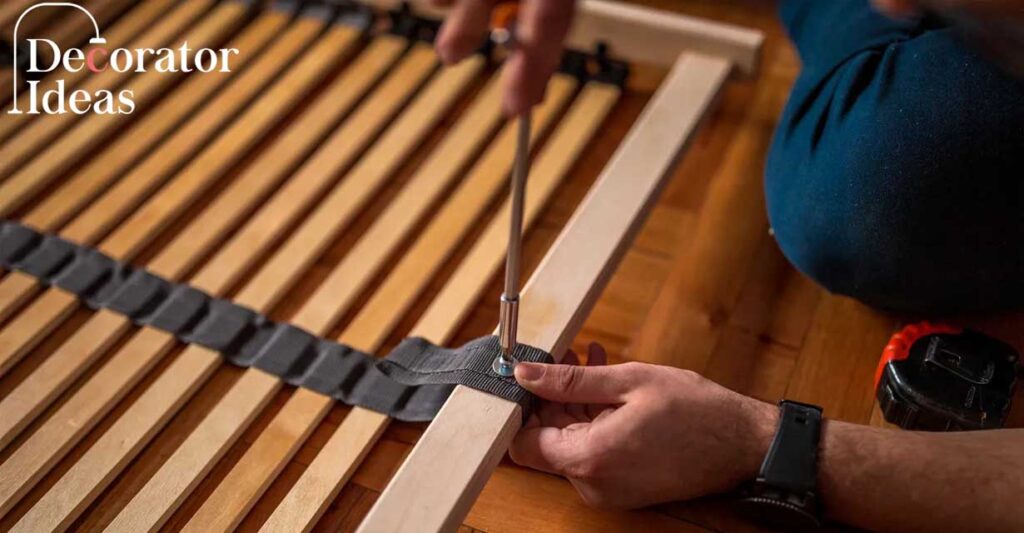
One of the simplest and most common causes of a noisy bed is loose hardware. Every night, small movements create pressure on screws, bolts, and connection points. Over time, these parts can loosen without being noticed.
Check every visible connection using the correct tools. Tighten bolts, screws, and nuts carefully. Be firm, but avoid applying too much force, especially on wooden frames, as this can damage the material.
Many squeaky beds become quiet again after this simple maintenance step. It is also a good habit to check hardware every few months to keep the frame stable.
How to Stop a Metal Bed Frame From Squeaking
Metal bed frames are known for durability, but they can become noisy when metal parts rub together. This friction often creates a sharp squeaking sound that becomes louder with movement.
A lubricant can help reduce friction between joints and connection points. Apply a small amount where metal surfaces touch. Afterward, move the frame gently to help spread the lubricant evenly.
If the sound continues, consider adding rubber or plastic washers between metal connections. These small pieces help absorb movement and reduce direct surface contact. How to Stop Squeaky Bed
How to Fix a Wooden Bed Frame That Creaks and Makes Noise
Wooden beds often produce deeper creaking sounds instead of sharp squeaks. Changes in temperature and humidity can cause wood to expand and contract, leading to movement between joints.
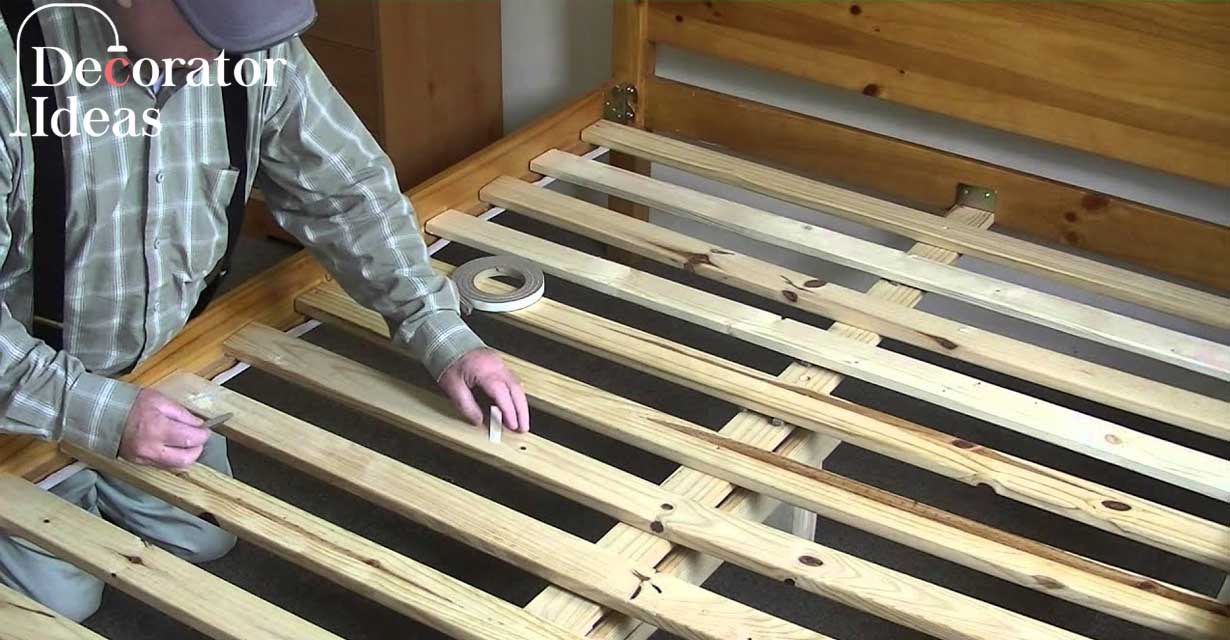
Inspect areas where wooden pieces touch each other. Felt pads, fabric strips, or cork pieces can be placed between contact points to reduce friction. These materials act as cushions and help prevent noise.
For older wooden frames, applying beeswax to rubbing surfaces may also help. This simple solution can reduce movement and make the bed quieter without major repairs.
Bed Slats, Center Supports, and Other Hidden Problem Areas
Not all bed noises come from the frame itself. Slats and support beams play an important role in keeping the mattress stable. When they shift or weaken, they can create surprising amounts of noise.
Check each slat for signs of movement, How to Stop Squeaky Bed cracks, or damage. Make sure all supports are firmly attached and sitting in the correct position. If a slat is broken, replacing it is usually the best option.
Larger beds often rely on a center support beam. If this beam becomes loose or fails to touch the floor properly, the frame may flex and create creaking sounds during the night.
Could Your Mattress or Box Spring Be Causing the Squeak?
Sometimes the frame is not responsible at all. Older mattresses that contain metal coils may begin making noise as the springs wear out. A box spring can also develop squeaks when its internal structure becomes weak.
To test the mattress, place it on the floor and lie down. If the sound remains, the springs inside are likely the cause. Deep sagging, uneven surfaces, and reduced support are also common signs of mattress wear.
A damaged box spring may show similar symptoms. If repairs do not solve the problem, replacement may be the most practical solution.
DIY Fixes That Can Make a Noisy Bed Quiet Again
Many bed noises can be solved using simple household tools and materials. Tightening hardware, adding felt pads, lubricating joints, How to Stop Squeaky Bed and securing slats are among the most effective solutions.
If the bed sits on an uneven floor, furniture pads or shims can help level it. Even a small imbalance can cause extra stress on the frame and create noise.
Some homeowners also use a bunkie board between the mattress and frame. This provides additional support and helps reduce movement that may contribute to squeaks.
Read More: Garage Door Cable Replacement Explained: Common Problems and Solutions
How to Prevent Bed Squeaks From Coming Back
Regular maintenance is one of the best ways to keep a bed quiet. Small issues are easier to fix when they are discovered early. Waiting until the noise becomes severe often leads to more work and expense.
Inspect the frame every few months. Check bolts, screws, slats, and support beams. Clean dust from joints and make sure all parts remain properly aligned.
Rotating the mattress according to the manufacturer’s recommendations can also help distribute weight more evenly and reduce unnecessary How to Stop Squeaky Bed strain on the support system.
Signs It’s Time to Repair or Replace Parts of Your Bed
While many squeaks can be fixed, some problems point to more serious wear. Cracked wood, bent metal, broken slats, and severely sagging mattresses may require replacement rather than repair.
Pay attention to visible damage, uneven support, or ongoing noise that returns shortly after repairs. These signs often indicate that a component has reached the end of its useful life.
Replacing a worn part before it fails completely can help protect the rest of the bed and prevent larger expenses in the future.
A quiet bed contributes to better sleep, greater comfort, and a more relaxing bedroom environment. Most squeaks are caused by loose connections, friction, worn supports, or aging materials. By identifying the source How to Stop Squeaky Bed of the noise and addressing it early, you can extend the life of your bed and avoid more serious problems down the road.
FAQs
Why does my bed squeak when I roll over?
The most common reason is movement between loose joints, slats, or support components.
Can a mattress make squeaking sounds?
Yes. Older mattresses with metal coils can create noise as the springs wear down.
What is the fastest way to stop bed squeaks?
Start by tightening all screws, bolts, and connection points on the frame.
Do wooden beds squeak more than metal beds?
Both can squeak, but wooden How to Stop Squeaky Bed beds usually produce creaks, while metal frames often produce sharper squeaks.
How often should I inspect my bed frame?
A quick inspection every three to six months can help prevent many common problems.