A garage door is something most homeowners use every Garage Door Cable Replacement day without giving it much thought. It opens in the morning, closes at night, and becomes part of the daily routine. Behind that smooth movement, however, is a system of parts working together. Among the most important are the cables. When these cables become worn or damaged, the entire door can stop functioning properly. Understanding how they work and what can go wrong can help prevent unexpected breakdowns and costly repairs.
What Garage Door Cables Do and Why They Matter
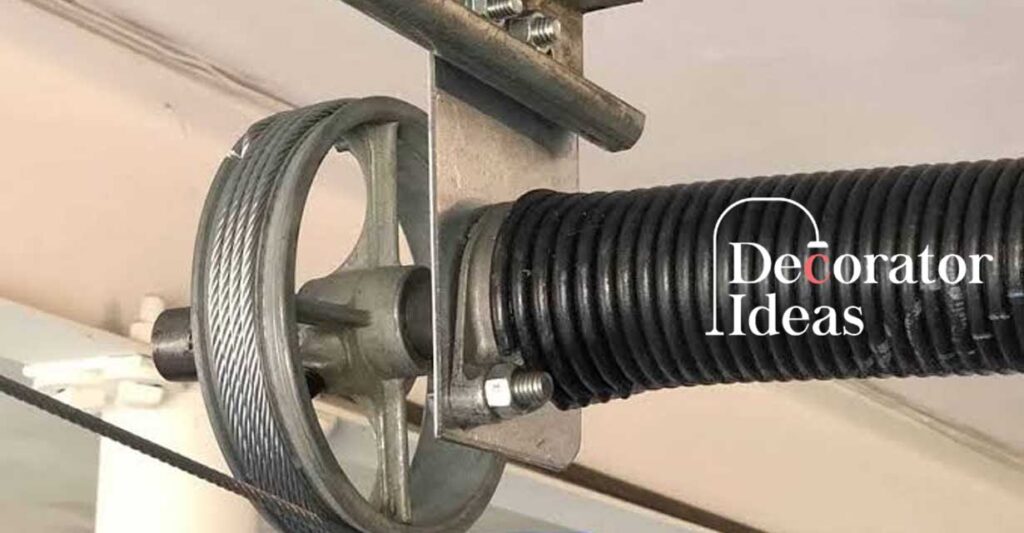
Garage door cables are strong steel wires designed to support Garage Door Cable Replacement the weight of the door as it moves up and down. Since garage doors can weigh hundreds of pounds, these cables play a major role in maintaining controlled, Garage Door Cable Replacement balanced movement.
The cables work alongside springs, rollers, and tracks. Together, these parts create a counterbalance system that makes the door feel much lighter than it actually is. Without properly functioning cables, the door would be difficult and unsafe to operate.
Most modern garage doors use either torsion spring systems or extension spring systems. While the designs differ, both rely on cables to help move the door safely.
Signs Your Garage Door Cable Needs Attention
Garage door cables rarely fail without warning. In many cases, Garage Door Cable Replacement there are visible signs that something is wrong long before a complete breakdown occurs.
One of the most common signs is fraying. Small strands of steel may begin sticking out from the cable. This usually indicates that the cable is weakening and approaching the end of its lifespan.
Another warning sign is rust. Moisture can slowly damage steel cables, reducing their strength over time. Rusty cables often appear rough, discolored, or brittle.
You may also notice that the garage door moves unevenly. If one side rises faster than the other, a cable problem could be developing. Strange noises, including scraping or grinding sounds, should also never be ignored.
Common Cable Problems Homeowners Experience
Like many mechanical parts, garage door cables wear down over time. Daily use creates constant tension that slowly affects the metal strands.
Fraying is one of the most frequent issues. As individual strands break, the cable becomes weaker. If left untreated, the damage can spread until the cable eventually snaps.
Another common problem is a cable slipping off the drum. This can happen when the door becomes unbalanced or when another component fails. A loose cable may prevent the door from opening or closing properly.
Corrosion is also a frequent concern, especially in areas with Garage Door Cable Replacement high humidity. Over time, rust can weaken the cable and increase the chance of failure.
What Causes Garage Door Cables to Wear Out
Age is the biggest factor. Every time a garage door opens and closes, the cables experience stress. After years of use, that stress naturally takes a toll on the steel.
Environmental conditions can also affect cable life. Moisture, humidity, and temperature changes contribute to corrosion and wear. Homes Garage Door Cable Replacement near coastal areas often deteriorate more quickly due to salt in the air.
Poor maintenance is another common cause. Dirt and debris can build up around moving parts, creating additional friction. Small issues that go unnoticed often become larger problems later.
Sometimes the real problem starts elsewhere. Worn springs, damaged rollers, or an unbalanced door can place extra strain on the cables and shorten their lifespan.
What Happens When a Cable Breaks
A broken cable can quickly turn a simple problem into a serious safety concern. Because garage doors are heavy, losing support on one side often causes the door to tilt or become stuck.
In some situations, the door may come off its track entirely. This can damage nearby components and make repairs more expensive than they would have been if the issue had been addressed earlier.
The garage door opener can also suffer damage. When the system is no longer balanced, the opener works harder than intended. Continued use may place unnecessary Garage Door Cable Replacement stress on the motor and other moving parts.
For safety reasons, a garage door with a broken cable should not be operated until repairs have been completed.
How Cable Replacement Is Typically Performed
Replacing a garage door cable involves more than simply removing the old part and installing a new one. The process begins with a full inspection of the door system to identify any related issues.
The door must then be secured to prevent unexpected movement. Since springs store a large amount of energy, managing tension safely is one of the most important parts of the job.
After the damaged cable is removed, a new cable Garage Door Cable Replacement is installed and properly aligned. The technician then adjusts the system and tests the door to ensure smooth, balanced operation.
A complete inspection at the end helps confirm that all components are working together correctly.
DIY Repair or Professional Service?
Many homeowners enjoy handling repairs themselves, but garage door systems deserve extra caution. The springs connected to the cables operate under significant tension and can be dangerous if handled incorrectly.
Even a small mistake can lead to serious injury or damage to the door. Special tools and proper training are often required to complete the work safely.
For this reason, many homeowners choose professional service. An experienced technician can identify related issues, perform the repair correctly, and ensure the system remains balanced.
While professional services involve Garage Door Cable Replacement an upfront cost, they often reduce the risk of future problems.
Understanding the Cost of Replacement
The cost of replacing garage door cables varies depending on several factors. Door size, cable type, labor rates, and the condition of other components can all affect the final price.
In many cases, homeowners can expect costs to fall between $100 and $350. Additional repairs may increase that amount if springs, rollers, or drums also require attention.
Emergency service calls may cost more than scheduled appointments. Addressing issues early is often the most cost-effective approach.
Rather than focusing only on price, it is important to consider workmanship, experience, and the quality of replacement parts.
How to Extend the Life of Your Garage Door Cables
Routine maintenance can help cables last Garage Door Cable Replacement longer and reduce the chance of unexpected failures.
A simple visual inspection every few months can reveal early signs of wear. Fraying, rust, and loose cables should be addressed as soon as they are noticed.
Keeping the garage door system clean is also helpful. Removing dirt and debris allows moving parts to operate more smoothly and reduces unnecessary wear.
Annual professional inspections provide another layer of protection. A trained technician can spot developing issues before they become major repairs.
Read More: Bill Maher House in Beverly Hills: Luxury, Privacy, and Hollywood Style
In Short
Garage door cables may not be the most visible part of a garage door system, but they are among the most important. They support the door’s weight, help maintain balance, and contribute to safe daily operation.
When cables become damaged, warning signs often appear well before complete failure. Paying attention to fraying, rust, unusual noises, and uneven movement can help homeowners address problems before they grow worse.
Regular maintenance and timely repairs not only improve safety but also help the entire garage door system perform reliably for years. A little attention today can prevent major inconvenience tomorrow.
FAQs
How long do garage door cables usually last?
Most cables last between 5 and 10 years, depending on usage and maintenance.
Can a garage door still work with a damaged cable?
It may still move, but continued use can create safety risks and cause additional damage.
What is the most common sign of cable wear?
Fraying is often the first visible sign that a cable needs attention.
Should both cables be replaced together?
Yes. Replacing both cables helps maintain proper balance and consistent performance.
Is cable replacement dangerous?
Because garage door systems operate under high tension, repairs can be dangerous without proper tools and experience.