
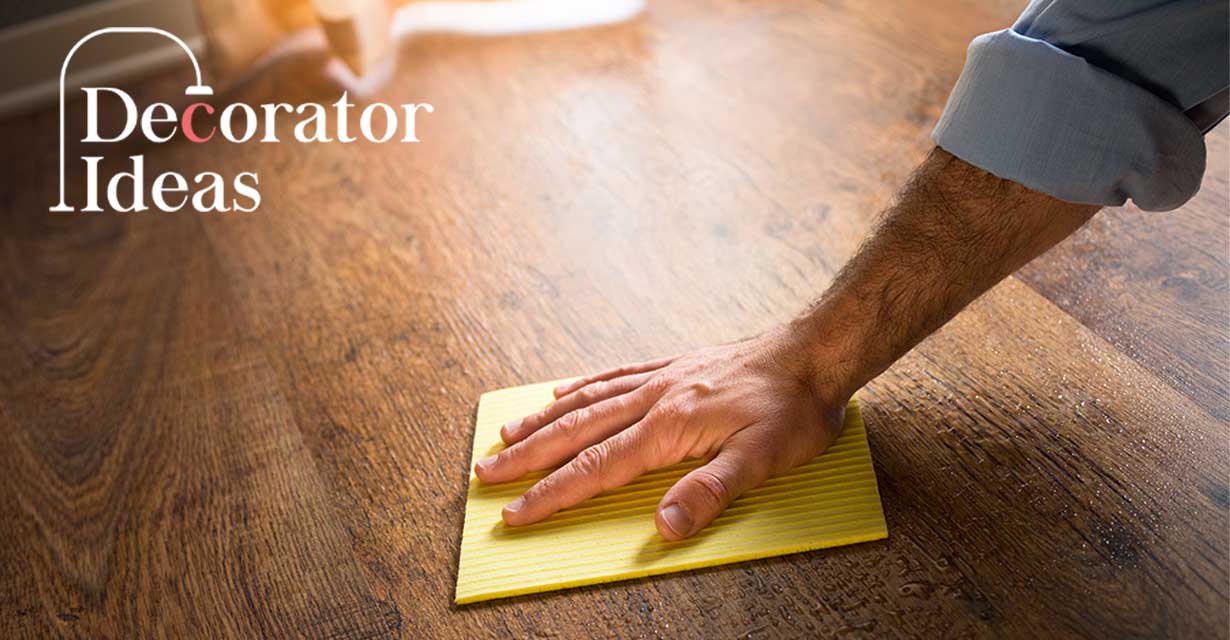
Hardwood floors bring natural beauty and warmth to any home, but they need gentle care to stay in good condition. Using the wrong cleaning method can quickly damage the surface and reduce their shine. The goal is to clean in a way that removes dust and stains while protecting the protective layer on top of the wood. This guide explains simple, safe, and practical ways to care for your floors so they stay strong, clean, and long-lasting.
Understanding the Protective Finish on Hardwood Floors
The top layer of hardwood flooring is called the finish. It acts like a shield that protects the wood from moisture, scratches, and stains. Common finishes include polyurethane, wax, and oil-based coatings. Each type reacts differently to water and cleaning products.
If this layer gets damaged, the wood underneath becomes exposed and can absorb water easily. This leads to swelling, dull spots, and permanent marks. Learning proper care habits is important for anyone who wants to maintain clean and healthy floors for years.
Daily Dust Removal to Prevent Surface Damage
Dust and small dirt particles may seem harmless, but they can slowly scratch the floor when walked on. That is why removing dust every day is one of the most important habits for floor care.
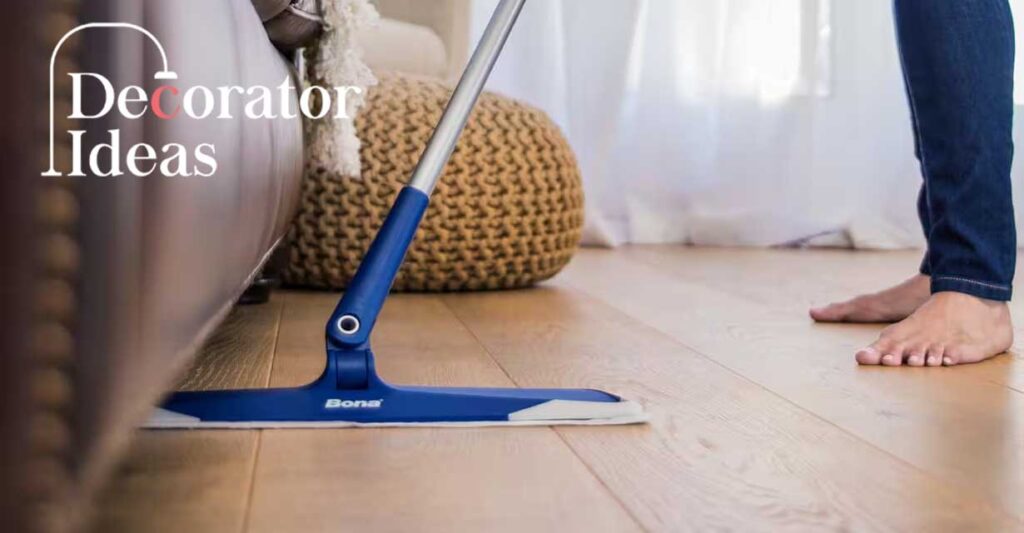
Use a microfiber mop, soft broom, or vacuum with a hardwood setting. These tools lift dirt without scratching the surface. Avoid using hard brushes because they can leave small marks that build up over time.
Regular dusting helps reduce deep cleaning needs and supports long-term protection of the floor finish.
Safe Mopping Method That Protects the Floor Finish
Water is one of the biggest risks for hardwood floors. Too much moisture can enter cracks and weaken the structure underneath. That is why mopping must always be done carefully.
Use a slightly damp microfiber mop with a mild, pH-balanced cleaner. Never soak the floor. Clean small areas at a time and dry any excess moisture immediately.
This gentle method is one of the safest ways for anyone learning How to Clean Hardwood Floors without harming the surface layer.
Natural Cleaning Solutions for Everyday Use
Some homeowners prefer natural cleaning methods instead of chemical products. A simple mix of warm water and a few drops of mild dish soap can work well for light cleaning.
White vinegar is sometimes used, but it should be very limited because too much acidity can weaken the floor finish over time. Always test a small area before full use.
Natural solutions are helpful when you want a safer and budget-friendly approach to daily cleaning.
Removing Stains and Sticky Spots Safely
Spills and sticky marks should always be cleaned quickly. If left too long, they can become harder to remove and may damage the finish.
Use a soft cloth with a mild soap solution and gently clean the area. Do not scrub hard, as this can wear down the protective layer. For stronger stains, a light baking soda paste can help loosen dirt.
Quick action is an important part of maintaining clean and polished floors.
Best Tools and Common Cleaning Mistakes to Avoid
Using the right tools makes cleaning easier and safer. Microfiber mops, soft brooms, and vacuum cleaners with soft heads are the best options for hardwood surfaces.
Avoid steam mops, bleach, ammonia, or rough scrub pads. These can damage the finish and cause long-term dullness. Even small mistakes, like using too much water, can lead to serious damage over time.
Choosing proper tools helps ensure safe maintenance and better floor durability.
Simple Ways to Maintain Shine and Floor Quality
Keeping hardwood floors shiny requires more than cleaning. Small habits make a big difference in long-term care.
Place mats near entrances to reduce dirt. Use felt pads under furniture legs to prevent scratches. Keep shoes off indoors when possible. These habits reduce daily wear and tear.
Occasionally polishing the floor helps restore shine and keeps the surface looking fresh and smooth.
Seasonal Deep Cleaning for Long-Term Care
Every few months, floors need deeper cleaning to remove hidden dirt. Start by vacuuming thoroughly, then use a lightly damp mop with a safe wood cleaner.
Avoid soaking the floor during deep cleaning. Work in small sections to maintain control over moisture levels. This routine helps maintain appearance and prevents long-term buildup of dirt.
This step supports proper long-term care for anyone following How to Clean Hardwood Floors correctly and safely.
Everyday Protection Tips for Longer Floor Life
Preventing damage is easier than repairing it. Small daily habits can significantly extend the life of hardwood floors.
Clean spills immediately to avoid stains. Keep pet nails trimmed to reduce scratches. Avoid dragging furniture across the floor. These simple actions protect both the finish and the wood underneath.
Good habits reduce maintenance costs and keep floors looking new for many years.
Read More: Andrew Tate House: Inside His Famous Romania Mansion
FAQs
What is the safest way to clean hardwood floors?
Using a microfiber mop with a lightly damp, pH-neutral cleaner is the safest method.
Can water damage hardwood floors?
Yes, too much water can weaken the wood and damage the finish over time.
How often should hardwood floors be cleaned?
Light dusting should be done daily, while mopping can be done weekly.
Are chemical cleaners safe for hardwood floors?
Only mild, wood-safe cleaners should be used. Harsh chemicals should be avoided.
How can I keep my hardwood floors shiny?
Regular cleaning, polishing, and protecting the surface from scratches help maintain shine.