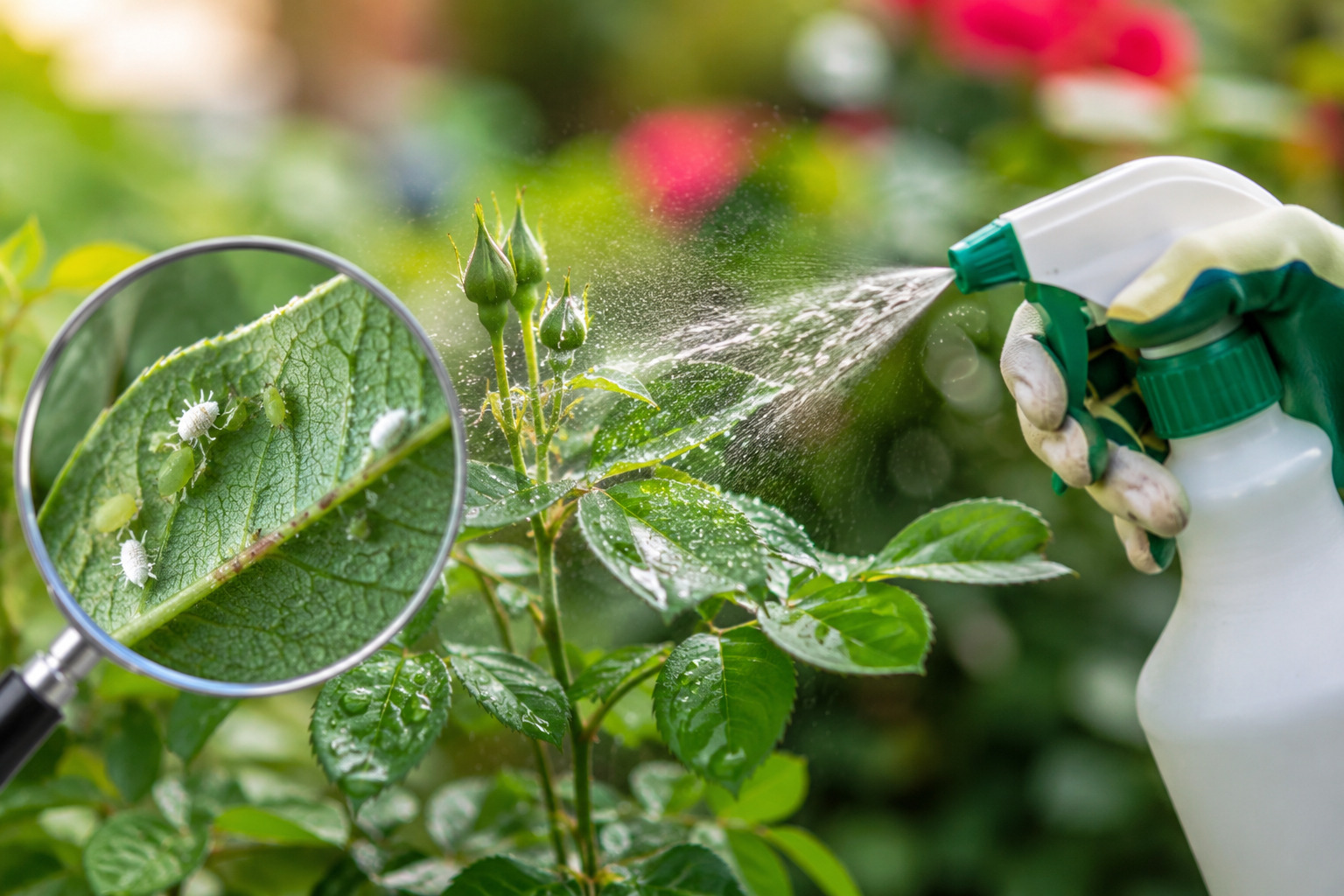
Keeping plants healthy is not only about watering and feeding them. Insects can quickly damage leaves, flowers, and new growth if they are not controlled early. Insecticidal soap for plants is a trusted solution for controlling many common garden pests without leaving heavy chemical residues. However, timing plays a major role in how well it works. Applying it at the right time and in the right way helps protect your plants and improve pest control results.
What Is Insecticidal Soap for Plants and How Does It Work?
Insecticidal soap for plants is a specially made soap that controls soft-bodied insects. It is usually made from potassium salts of fatty acids, which are different from ordinary household cleaning soaps. These ingredients are designed to kill pests while being gentle on most garden plants when used correctly.
The soap works only when it comes into direct contact with insects. It breaks down the pest’s outer protective layer, causing it to lose moisture. As the insect becomes dehydrated, it dies quickly. Because the soap does not move inside the plant, it cannot kill insects that are hidden or those that arrive after the spray has dried.
One of the biggest advantages of this product is that it breaks down quickly after use. It does not leave long-lasting residues on leaves, making it a popular choice for vegetable gardens, herbs, fruit plants, flowers, and indoor plants. Many gardeners include it as part of a regular pest management plan because it is easy to use and effective when applied correctly.
When Is the Best Time to Apply Insecticidal Soap for Plants?
Avoid spraying during the hottest hours of the afternoon. High temperatures, especially those above 90°F (32°C), can increase the risk of leaf burn. Strong sunlight also causes the spray to dry quickly, giving it less time to work against insects.
Weather conditions also matter. Choose a calm, dry day with little wind. Wind can carry the spray away from the target area, while rain can wash the soap off before it has time to control the pests. If rain is expected within a few hours, it is better to wait until the weather improves.
Timing is just as important as choosing the right product. Even the best insecticidal soap cannot perform well when applied in poor weather.
Which Pests Can Insecticidal Soap Control Most Effectively?
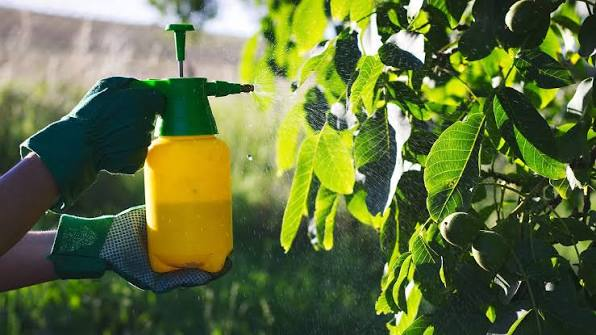
One reason gardeners prefer insecticidal soap is its ability to control several common pests without using stronger chemical pesticides. It works especially well against insects with soft bodies that feed by sucking plant sap.
Some of the most common pests controlled by insecticidal soap include aphids, whiteflies, mealybugs, spider mites, thrips, psyllids, and young scale insects, often called crawlers. These pests usually hide on the underside of leaves or around new shoots where they feed on tender plant tissue.
Plants affected by these insects may develop curled leaves, yellow spots, slow growth, sticky honeydew, or black mold caused by sugary insect waste. Treating the problem early prevents insects from multiplying into large colonies that are much harder to control.
Common Mistakes to Avoid When Using Insecticidal Soap for Plants
Many problems happen because gardeners use the product incorrectly instead of following simple instructions.
One common mistake is spraying during bright afternoon sunshine. High temperatures increase the chance of leaf burn and reduce the time the soap stays on insects.
Another mistake is forgetting to spray the underside of leaves. Many pests stay hidden there, making the treatment much less effective.
Some gardeners also use household dishwashing liquids instead of real insecticidal soap. Many cleaning products contain extra chemicals that may damage leaves.
Homemade vs. Commercial Insecticidal Soap: Which One Should You Choose?
Many gardeners like making homemade insecticidal soap because it costs less and uses simple ingredients. A basic recipe often includes pure liquid soap mixed with water.
While homemade mixtures can work, they also carry more risk. Using the wrong soap or incorrect concentration may burn leaves or slow plant growth.
Commercial products are carefully tested for safety and effectiveness. They provide clear instructions, proper concentrations, and better consistency from one application to the next.
If you are new to gardening or treating valuable plants, commercial insecticidal soap is usually the safer choice. Experienced gardeners may use homemade mixtures carefully after testing them on a small area.
Read More: decoratorideas.com
In Short
Healthy plants begin with good care and early pest control. Insecticidal Soap for Plants is a simple and reliable solution for many common garden insects when it is used at the right time. Spray during cool parts of the day, cover every affected area, and repeat the treatment when needed. By following these steps, you can protect your flowers, vegetables, herbs, and houseplants while reducing the need for stronger pesticides. Regular inspection, correct timing, and careful application will help keep your garden healthy throughout the growing season.
FAQs
Can I spray insecticidal soap every day?
No. Most plants only need treatment every 5 to 7 days unless the product label recommends otherwise.
Does insecticidal soap kill insect eggs?
No. Most eggs survive, which is why repeated applications are needed.
Is it safe for vegetable gardens?
Yes. Many products are safe for vegetables when used according to the label.
Can rain reduce its effectiveness?
Yes. Rain can wash the soap away before it has enough time to work.
Does it harm bees?
It may harm bees if sprayed directly on them while the solution is wet. Spray early in the morning or late in the evening when bees are less active.