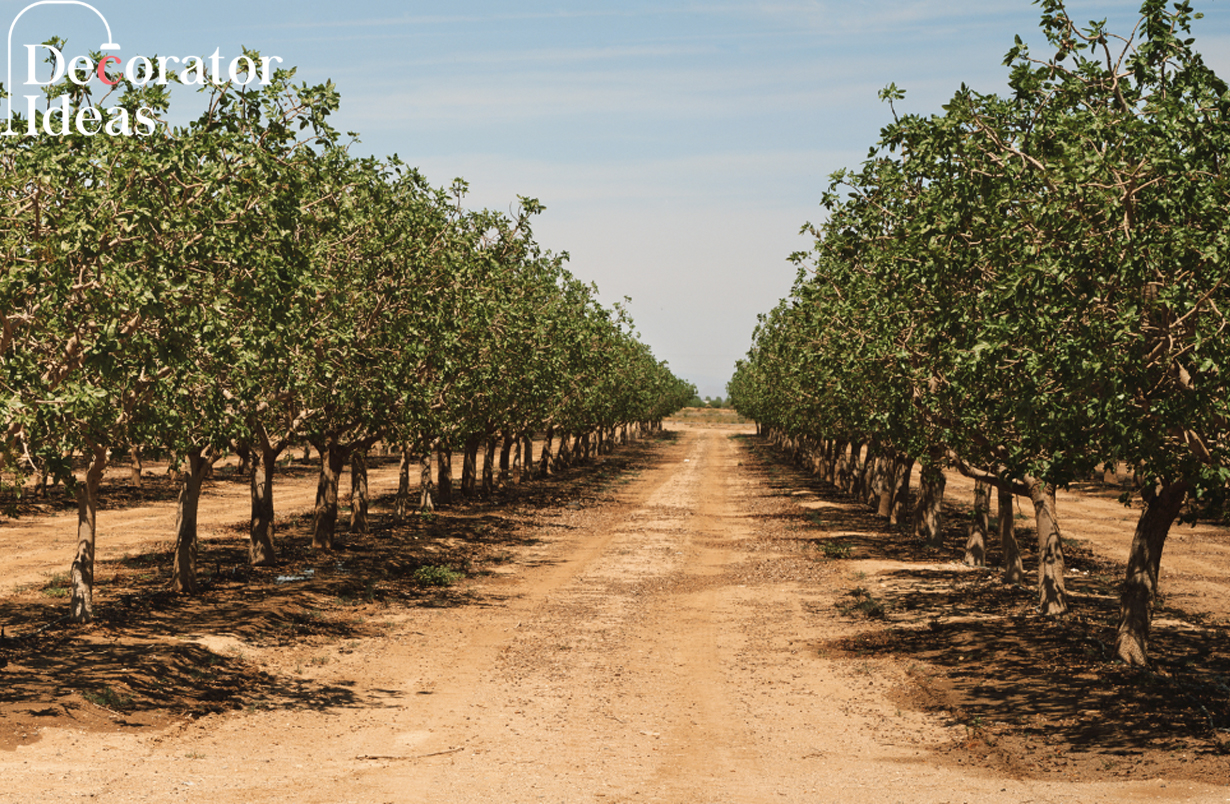
Growing your own Pistachio Tree is a rewarding project for home gardeners. This long-living tree produces tasty nuts and also adds beauty to your yard. Although it grows slowly, the right care can help it stay healthy for many years. By choosing the best location, preparing the soil, and following simple care tips, you can enjoy strong growth and better harvests in the future.
What Makes a Pistachio Tree Different from Other Nut Trees?
A pistachio tree is different from many fruit and nut trees because it grows best in hot, dry climates. It belongs to the Anacardiaceae family, and its scientific name is Pistacia vera. Unlike many trees, it needs both hot summers and cool winters to grow well.
Another unique feature is that male and female flowers grow on separate trees. A female tree produces nuts, while a male tree provides pollen. Wind carries the pollen from one tree to another, so planting both is important if you want a harvest.
Choose the Best Location and Climate for a Healthy Tree
The right location is one of the biggest keys to success. Pick a place that gets at least 6 to 8 hours of direct sunlight every day. More sunlight helps the tree produce stronger branches and healthier leaves.
The ideal climate has long, hot summers and cool winters. High humidity and constant rain can increase the risk of disease. If your area has poor drainage or stays wet for long periods, choose another location or improve the soil before planting.
Prepare the Right Soil Before Planting
Well-drained soil is essential for healthy roots. Sandy loam or light loam soil works best because water can move through it easily. Heavy clay soil often holds too much moisture, which may lead to root problems.
Before planting, remove weeds and mix compost into the soil if needed. The best soil pH is around 6.5 to 7.8. Good soil preparation gives young roots a strong start and supports healthy growth for years.
How to Plant a Pistachio Tree Step by Step
Start by buying a healthy grafted sapling from a trusted nursery. Grafted trees usually grow faster and produce nuts earlier than trees grown from seed.
Dig a hole that is about twice as wide as the root ball. Place the tree carefully, keeping the top of the roots level with the ground. Fill the hole with soil, water deeply, and add mulch around the base. Leave a small gap between the mulch and the trunk to prevent moisture damage.
Watering, Fertilizing, and Daily Care for Strong Growth
Young trees need regular deep watering during their first few years. Instead of watering every day, give the soil a deep soak and allow it to dry slightly before watering again. This encourages roots to grow deeper.
Feed the tree with a balanced fertilizer during the growing season if the soil lacks nutrients. Avoid adding too much nitrogen because it can increase leaf growth instead of helping nut production. Keep weeds under control so they do not compete for water and nutrients.
Pruning and Seasonal Maintenance to Keep Your Tree Healthy
Pruning is best done during late winter when the tree is dormant. Remove broken, dead, or weak branches to improve air movement and allow more sunlight into the canopy.
Each season brings different care needs. In spring, check for new growth and pests. During summer, water deeply during dry periods. In autumn, clean fallen leaves and plant debris to reduce disease. Winter is the best time to inspect the tree and prepare it for the next growing season.
Common Pistachio Tree Problems and How to Fix Them
Overwatering is one of the most common mistakes. Too much water can cause root rot, leading to yellow leaves and weak growth. Good drainage is the best way to prevent this problem.
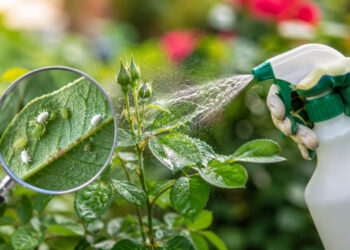
Watch for pests such as aphids, scale insects, and spider mites. Fungal diseases can also appear in damp conditions. Regular inspection, proper pruning, and keeping the area clean help reduce many common problems before they become serious.
When a Tree Starts Producing Nuts and What to Expect
A grafted tree usually begins producing nuts after 5 to 7 years. Trees grown from seed often take much longer and may not produce the same quality of nuts.
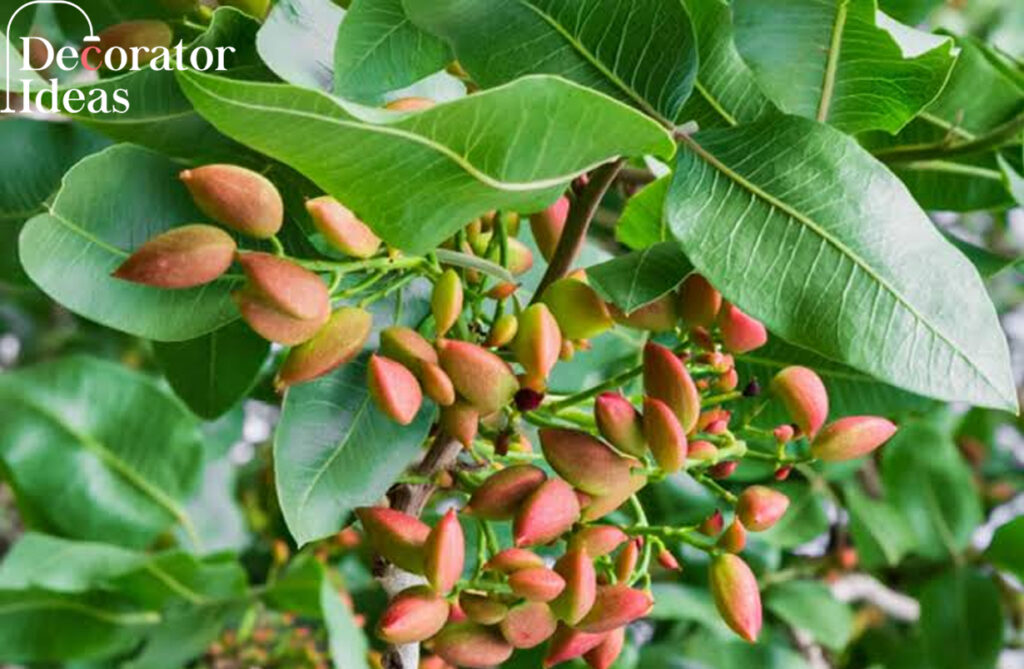
Harvest usually takes place between late August and October, depending on the local climate. As the nuts mature, the outer hull changes color, and the shell naturally splits. Healthy mature trees can continue producing crops for many decades with proper care.
Mistakes to Avoid When Growing a Pistachio Tree at Home
Many beginners plant the tree in places with poor sunlight or heavy soil. These conditions slow growth and reduce the chance of getting a good harvest.
Another common mistake is forgetting that a female tree needs a nearby male tree for pollination. Overwatering, planting too close to buildings, and skipping seasonal pruning can also affect long-term health. Careful planning from the beginning makes growing easier and more successful.
FAQs
Can I grow a pistachio tree in a small garden?
Yes. If you have enough sunlight and space for the mature size, it can grow well in a home garden.
How long does it take before nuts appear?
Most grafted trees begin producing nuts after 5 to 7 years.
Does one tree produce pistachios?
No. A female tree needs pollen from a nearby male tree.
How often should I water a young tree?
Deep watering every few days, depending on weather and soil, is better than light daily watering.
Can pistachio trees survive dry weather?
Yes. Once established, they are known for their good drought tolerance, although they still need water during long dry periods.