

The Ira Rennert Hamptons estate is one of the most famous private homes in America. It is called Fair Field and sits in Sagaponack, New York, one of the richest parts of the Hamptons. The home is known for its huge size, oceanfront land, luxury rooms, and long history of public attention.
Ira Rennert Hamptons House Quick Facts
Fair Field is owned by Ira Rennert, an American billionaire and founder of Renco Group. Public reports say the estate covers about 63 acres near the Atlantic Ocean. The full property has around 110,000 square feet of building space, making it one of the largest private estates in the country.
The main home is often reported at about 62,000 to 66,000 square feet. Reports also mention about 29 bedrooms, 39 bathrooms, several pools, sports areas, and a large garage. It has been described it as one of the biggest homes in the United States.
Where Is the Ira Rennert Hamptons House Located?
The estate is in Sagaponack, a village area in the Hamptons on Long Island. This area is famous for quiet beaches, farms, luxury homes, and very high property prices. Fair Field is linked with Daniels Lane, one of the most expensive streets in the area.
The location is a big reason the house is so valuable. Oceanfront land in the Hamptons is rare. A large 63-acre property near the water is even more unusual. This gives Fair Field privacy, space, and direct access to one of New York’s most desired coastal areas.
How Big Is Fair Field Estate?
For many readers searching Ira Rennert Hamptons, the size of the house is the main point of interest. Fair Field is not just one building. It is a large compound with the main house, pool houses, a playhouse, and other buildings.
Different sources give different numbers because they count the buildings in different ways. Still, most reports agree the full estate has about 110,000 square feet of space. This is larger than many hotels, schools, or public buildings, even though it is a private family estate.
What Luxury Features Are Inside Fair Field?
Fair Field is known for luxury on a very large scale. Public reports say the estate has multiple swimming pools, a basketball court, a bowling alley, two tennis courts, and two squash courts. It also has a large private theater that can seat about 164 people.
Another famous feature is the 100-car garage. Reports also mention a synagogue, a long formal dining room, pool houses, and large outdoor spaces. These details helped make the home a symbol of extreme Hamptons wealth.
How Much Is Ira Rennert’s Hamptons House Worth?
The value of the Ira Rennert Hamptons property has changed in reports over time. Older reports placed it around $248 million. Some real estate experts said it could be worth much more because of the land, location, and size.
In 2024, realtor .com reported the estate at around $425 million. Some past estimates have gone even higher. Exact value is hard to know because homes like this rarely sell, and there are few similar properties.
Why Is Fair Field Called “The House That Ate the Hamptons”?
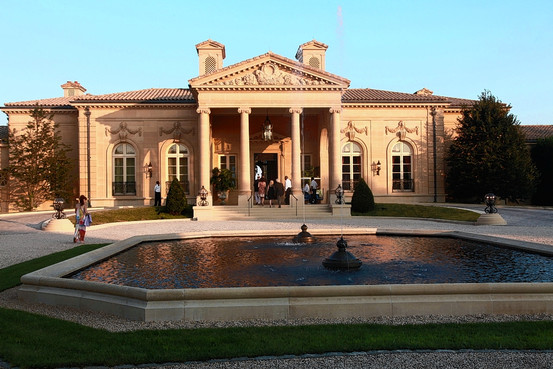
Fair Field became known as “The House That Ate the Hamptons” because many locals felt it was too large for the area. The nickname became popular during public debate about the size of the mansion and its effect on Sagaponack.
The phrase also became the title of a novel by James Brady, which was based on the controversy around the estate. The name shows how strongly people reacted to the project. To some people, it was a dream home. To others, it was too much.
Why Did The Mansion Cause Local Controversy?
The mansion caused concern because of its size, design, and land use. Some neighbors worried it would change the quiet character of Sagaponack. Others questioned whether a house with so many rooms and features should be called a normal single-family home.
The debate also became part of a bigger Hamptons issue: how large private homes should be allowed to become. Public reports say the controversy helped push local talk about stricter building limits in the Town of Southampton.
What Legal Stories Are Linked To Ira Rennert And Fair Field?
The house has also appeared in reports about Rennert’s business life. In one case, creditors of Magnesium Corp. of America claimed money was used while the estate was being built. Rennert later paid a large legal judgment connected to that case, according to public reporting.
More recent stories have also linked Rennert and Renco Group to long-running legal claims connected with lead pollution in La Oroya, Peru. Renco has denied wrongdoing. These legal stories are separate from the house itself, but they increased public interest in Fair Field.
What Lifestyle Does The Estate Show?
The Ira Rennert Hamptons lifestyle shown by Fair Field is private, large, and highly secure. The estate has enough space for family life, guests, worship, sports, movies, and large events without leaving the property.
At the same time, the home also shows the tension between private wealth and local community life. In the Hamptons, beauty, land, and privacy are very important. Fair Field sits at the center of that story because it is both a luxury estate and a public talking point.
Why Is Ira Rennert’s House Still Famous Today?
Fair Field remains famous because very few homes can compare with it. It has rare land, huge buildings, famous amenities, and a long public story. It is not only a mansion. It is a symbol of billionaire real estate in the Hamptons.
The estate also stays in the news because of its owner, its value, and its history. For people who want to understand Ira Rennert Hamptons, Fair Field is the key subject. It explains the luxury, debate, and power of high-end Hamptons property.
FAQs
Who owns Fair Field in the Hamptons?
Ira Rennert, founder of Renco Group, owns Fair Field.
Where is Fair Field located?
It is in Sagaponack, New York, in the Hamptons.
How big is the estate?
Reports say the full estate has about 110,000 square feet of building space.
How much is the house worth?
Recent reports place it around $425 million, though estimates vary.
Why is the house controversial?
Many locals felt it was too large and changed the character of Sagaponack.