
Keeping kitchen cabinets clean is important for a healthy home. Grease, dust, and food stains build up slowly and make your kitchen look dirty. In this guide, you will learn How to Clean Kitchen Cabinets using safe, natural, and simple home ingredients. You do not need strong chemicals or expensive products. Everything here is easy, practical, and safe for daily use, especially for wooden and painted cabinets.
Understanding Dirt and Grease on Kitchen Cabinets
Before learning How to Clean Kitchen Cabinets, it is important to understand why they get dirty. Kitchen cabinets collect oil particles from cooking, steam from boiling food, and dust from the air. Over time, these mix together and form a sticky layer that is hard to remove.
The most affected areas are near the stove, sink, and handles. These spots are touched often and exposed to more heat and moisture. If not cleaned regularly, the surface can become dull and may even be damaged over time. This is why proper cleaning habits matter a lot.
Best Natural Ingredients for Safe Cleaning at Home
When learning How to Clean Kitchen Cabinets, using natural ingredients is the safest choice. These items are already available in most homes and do not harm surfaces.
You can use dish soap, white vinegar, baking soda, and lemon juice. Dish soap helps break grease, while vinegar removes smell and bacteria. Baking soda is useful for tough stains, and lemon gives a fresh scent.
Mixing warm water with a few drops of dish soap is often enough for daily cleaning. For deeper cleaning, vinegar and baking soda work better. These natural solutions protect your cabinets while cleaning them effectively.
Step-by-Step Method to Clean Cabinets Without Damage
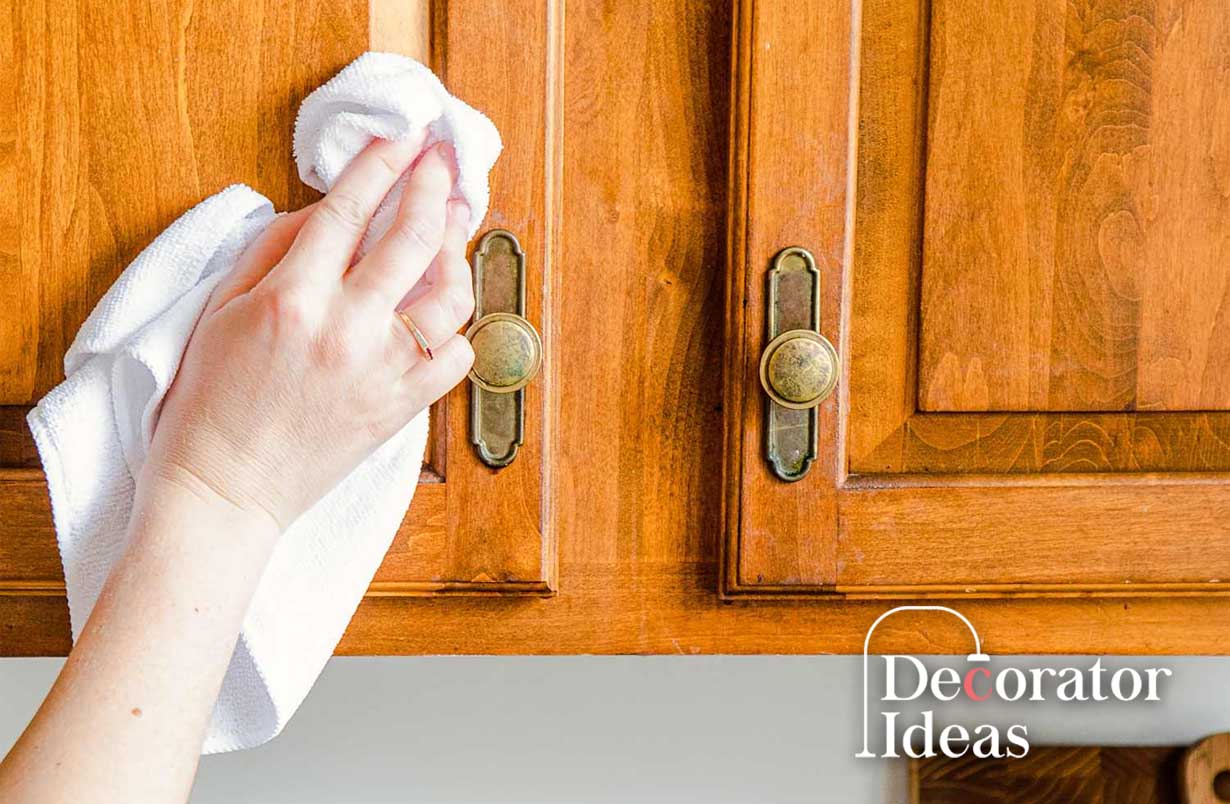
If you want to understand How to Clean Kitchen Cabinets, follow a simple step-by-step process. First, remove dust using a dry microfiber cloth. This prevents dirt from turning into mud when wet.
Next, prepare a cleaning mix of warm water and dish soap. Dip a soft cloth in it and gently wipe cabinet doors, edges, and corners. Do not use too much water because it can damage wood or paint.
For sticky spots, let the solution sit for a few minutes before wiping. Repeat the process if needed. This method keeps cabinets clean without harming their surface.
Removing Sticky Grease Using Natural Methods
Grease is one of the biggest problems in kitchen cleaning. Understanding How to Clean Kitchen Cabinets also means knowing how to handle heavy grease buildup.
For strong grease, make a paste using baking soda and water. Apply it on sticky areas and leave it for 5–10 minutes. Then gently rub with a soft cloth or sponge. This helps break down oil layers without scratching the surface.
If grease still remains, wipe the area with a mix of vinegar and water. This removes leftover oil and restores shine naturally.
Cleaning Wooden Kitchen Cabinets Safely
Wood cabinets need special care when learning How to Clean Kitchen Cabinets. Wood can absorb water and get damaged if cleaned the wrong way.
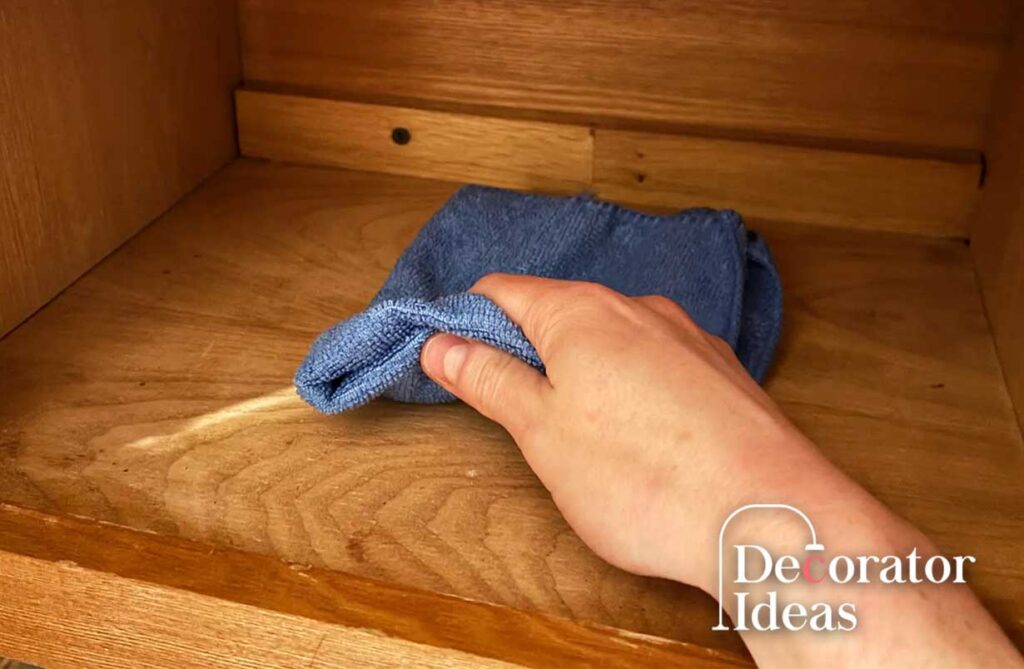
Use a mild soap solution and a soft cloth. Always wipe in the direction of the wood grain. Avoid soaking the surface. After cleaning, dry it immediately with a clean towel.
To add shine, you can use a few drops of olive oil on a cloth. This helps protect the wood and keeps it looking fresh and smooth over time.
Cleaning Painted Cabinets Without Removing Color
Painted cabinets can lose color if cleaned with strong chemicals. That is why How to Clean Kitchen Cabinets safely is important for painted surfaces.
Use a gentle mix of water and dish soap. Wipe softly without scrubbing hard. For stains, use a baking soda paste but apply it lightly.
Never use bleach or strong cleaners, as they can remove paint. Always test a small area first before cleaning the full surface. This keeps the color bright and long-lasting.
Cleaning Handles and High-Touch Areas Properly
Cabinet handles collect the most germs because they are touched many times a day. Learning How to Clean Kitchen Cabinets includes paying attention to these small but important areas.
Use vinegar and warm water to clean handles. You can also use a toothbrush to reach small corners. This helps remove dirt and bacteria easily.
Make sure to clean handles at least two to three times a week. This keeps your kitchen more hygienic and safe for daily use.
Maintaining Cabinets and Preventing Future Dirt
After understanding How to Clean Kitchen Cabinets, maintenance becomes very important. Regular care reduces heavy cleaning work later.
Wipe cabinets once a week with a dry or slightly damp cloth. Clean spills immediately before they become sticky. Use exhaust fans while cooking to reduce grease in the air.
You can also place protective covers inside shelves to reduce stains. Small habits like these keep cabinets clean for a long time.
Read More: decoratorideas.com
In Short
Many people damage cabinets while trying to clean them. Knowing How to Clean Kitchen Cabinets also means avoiding these mistakes.
Do not use too much water, especially on wooden surfaces. Avoid hard scrubbing tools that can scratch the finish. Never mix strong chemicals like bleach with natural cleaners.
Another mistake is ignoring regular cleaning. If grease builds up for too long, it becomes very hard to remove. Regular care is always better than deep repair.
FAQs
How to Clean Kitchen Cabinets without using chemicals?
You can use dish soap, vinegar, and baking soda with warm water for safe and natural cleaning.
How often should I clean kitchen cabinets?
Light cleaning should be done weekly, and deep cleaning once a month for best results.
Can baking soda damage cabinets?
No, baking soda is safe if used gently and not scrubbed too hard.
What is the best natural way for How to Clean Kitchen Cabinets?
A mix of warm water and dish soap is the best for regular cleaning, while vinegar helps with grease.
How to Clean Kitchen Cabinets safely for long-lasting shine?
Regular wiping, gentle cleaning, and avoiding harsh chemicals will keep cabinets clean and shiny.